№ 74 of 100
Cuban Crocodile
Crocodylus rhombifer
The 'pearly crocodile' — boldly patterned, famously athletic, able to leap from water — survives in two Cuban swamps.
- Range
- Cuba
- Region
- Caribbean
- Habitat
- Zapata Swamp and Lanier Swamp — the smallest range of any crocodilian
Field notes
- Weight
- 70–80 kg (large males >215 kg)
- Size
- 2.1–2.3 m (length); large males up to 3.5 m
- Diet
- Carnivore
- Family
- Crocodylidae
- Order
- Crocodilia
The story
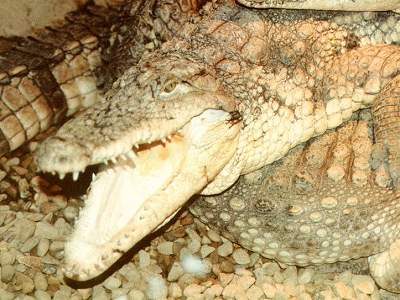
Cuba's endemic crocodile is losing their identity as well as their habitat: widespread interbreeding with American crocodiles dilutes the pure population. The Zapata captive-breeding farm maintains genetically screened bloodlines while rangers combat the bushmeat trade.
What's killing them
- Hybridisation with American crocodiles
- Illegal hunting for meat
- Sea-level rise into freshwater swamp
- Tiny range
Who's fighting for them
 WCSWildlife Conservation Society Donate
 IUCN Red ListInternational Union for Conservation of Nature — Species Survival Commission Donate
 Turtle Survival AllianceTurtle Survival Alliance Donate
Logos are the property of their respective organisations and link to their official sites.
Quick answers
How many Cuban Crocodile are left in the world?
Approximately ~2,400. The Cuban Crocodile (Crocodylus rhombifer) is listed as Critically Endangered on the IUCN Red List, and their population trend is declining. Figures are estimates compiled from the IUCN Red List and conservation organisations.
Where does the Cuban Crocodile live?
The Cuban Crocodile is found in Cuba (Caribbean). Their habitat: Zapata Swamp and Lanier Swamp — the smallest range of any crocodilian.
Why is the Cuban Crocodile endangered?
The main threats to the Cuban Crocodile are: Hybridisation with American crocodiles; Illegal hunting for meat; Sea-level rise into freshwater swamp; Tiny range.
Who is working to save the Cuban Crocodile?
Organisations working on Cuban Crocodile conservation include Wildlife Conservation Society; International Union for Conservation of Nature — Species Survival Commission; Turtle Survival Alliance.
Where they live
Zapata Swamp, Cuba · Cuba · Caribbean — Approximate range. Click the map to zoom.