№ 70 of 100
Orinoco Crocodile
Crocodylus intermedius
South America's largest predator — up to six metres — was skinned by the million for handbags; a few hundred breeders remain.
- Range
- ColombiaVenezuela
- Region
- South America
- Habitat
- Rivers and seasonal lagoons of the Orinoco basin llanos
Field notes
- Weight
- up to 450 kg (males); ~225 kg (females)
- Size
- 4.2–5.2 m (total body length)
- Lifespan
- up to 70–80 years
- Diet
- Carnivore
- Family
- Crocodylidae
- Order
- Crocodilia
The story
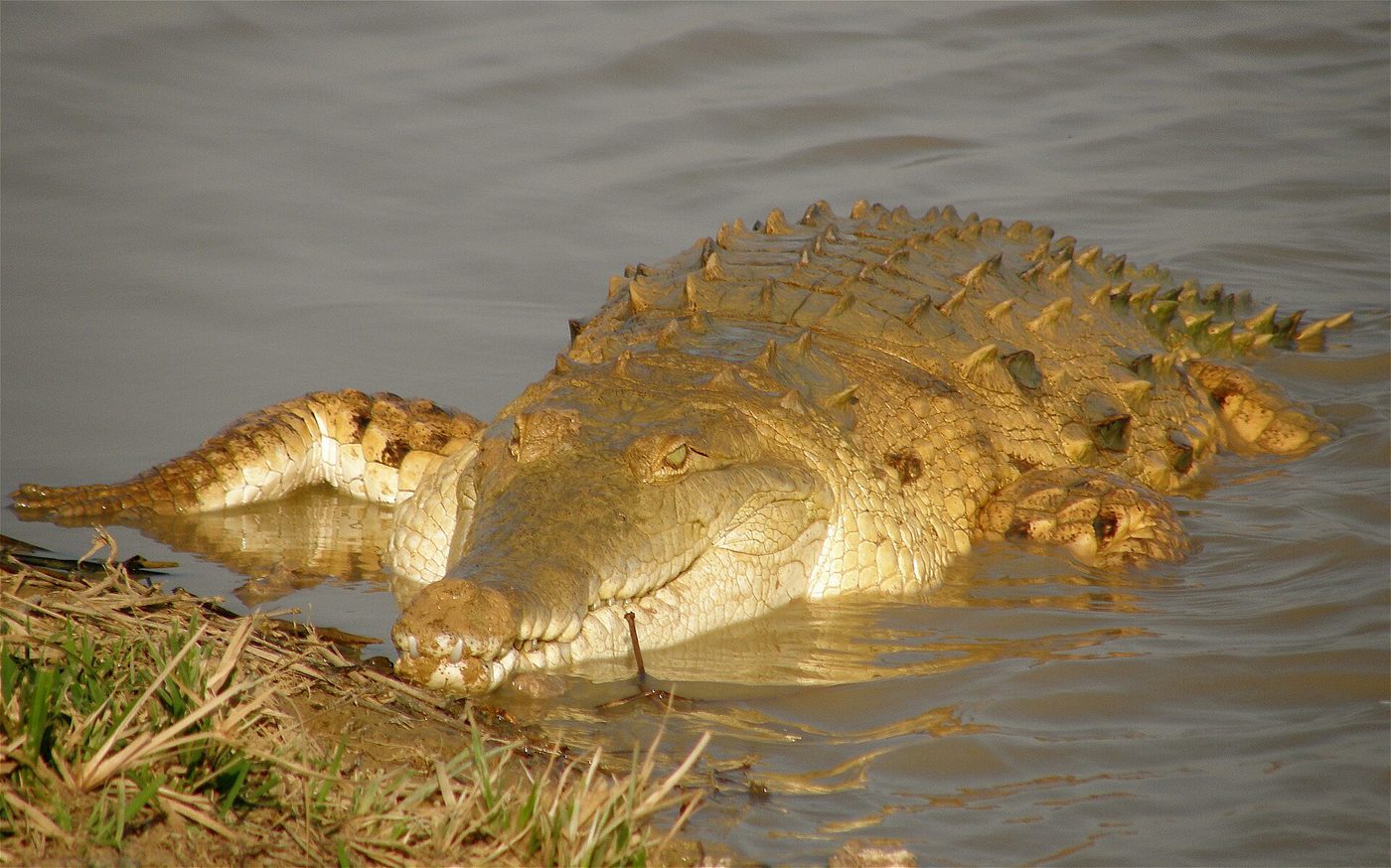
Between the 1920s and 1960s, commercial tanneries emptied the llanos of Orinoco crocodiles. Venezuelan ranches and Colombian breeding stations have released thousands of head-started juveniles, but recovery limps against ongoing egg harvest and the region's instability.
What's killing them
- Historic hide-hunting (millions killed)
- Egg collection and meat hunting
- Habitat alteration
- Political instability limiting protection
Who's fighting for them
 WCSWildlife Conservation Society Donate
 Turtle Survival AllianceTurtle Survival Alliance Donate
 IUCN Red ListInternational Union for Conservation of Nature — Species Survival Commission Donate
Logos are the property of their respective organisations and link to their official sites.
Quick answers
How many Orinoco Crocodile are left in the world?
Approximately ~250–1,500 wild. The Orinoco Crocodile (Crocodylus intermedius) is listed as Critically Endangered on the IUCN Red List, and their population trend is declining. Figures are estimates compiled from the IUCN Red List and conservation organisations.
Where does the Orinoco Crocodile live?
The Orinoco Crocodile is found in Colombia, Venezuela (South America). Their habitat: Rivers and seasonal lagoons of the Orinoco basin llanos.
Why is the Orinoco Crocodile endangered?
The main threats to the Orinoco Crocodile are: Historic hide-hunting (millions killed); Egg collection and meat hunting; Habitat alteration; Political instability limiting protection.
Who is working to save the Orinoco Crocodile?
Organisations working on Orinoco Crocodile conservation include Wildlife Conservation Society; Turtle Survival Alliance; International Union for Conservation of Nature — Species Survival Commission.
Where they live
El Tuparro National Natural Park, Colombia · Colombia · Venezuela · South America — Approximate range. Click the map to zoom.