№ 75 of 100
Sumatran Elephant
Elephas maximus sumatranus
Sumatra's elephants lost two-thirds of their forest in 25 years — herds now wander plantations that were jungle a decade ago.
- Range
- Indonesia
- Region
- Asia
- Habitat
- Lowland rainforest of Sumatra — the same forests cleared fastest for palm oil
Field notes
- Weight
- 2,000–4,000 kg
- Size
- 2–3.2 m (shoulder height)
- Lifespan
- up to 60 years (wild); up to 75 (captivity)
- Diet
- Herbivore
- Family
- Elephantidae
- Order
- Proboscidea
The story
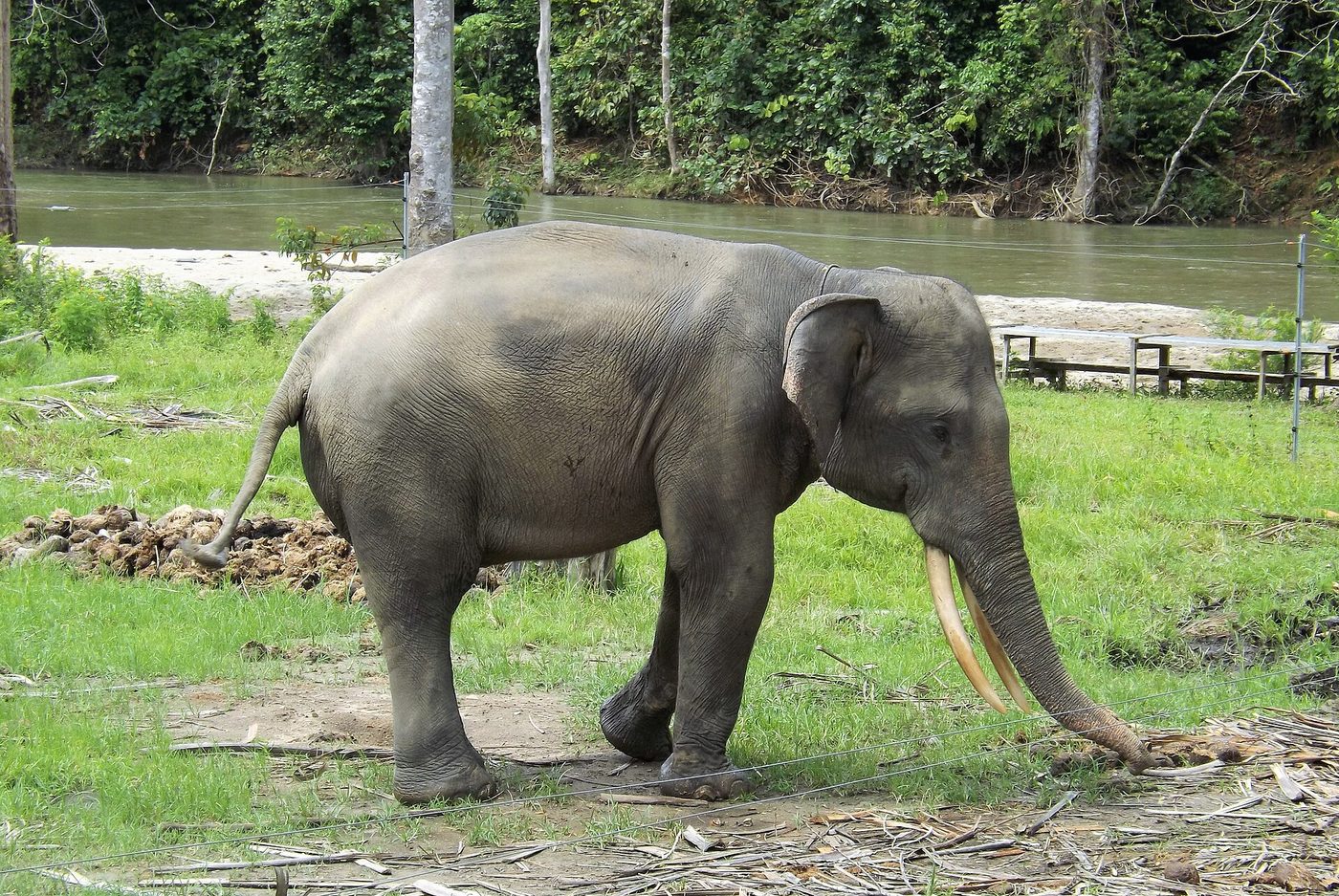
As lowland Sumatra converted to oil palm and pulpwood, elephants were squeezed into fragments and conflict soared. Conservation now centres on securing corridors between herds, rapid-response teams that steer elephants from crops, and protecting the great peat forests that remain.
What's killing them
- Loss of 70% of habitat in one generation
- Human–elephant conflict and poisoning
- Poaching for ivory
- Isolated herds
Who's fighting for them
 WWFWorld Wide Fund for Nature Donate
 Fauna & FloraFauna & Flora International Donate
 IUCN Red ListInternational Union for Conservation of Nature — Species Survival Commission Donate
Logos are the property of their respective organisations and link to their official sites.
Quick answers
How many Sumatran Elephant are left in the world?
Approximately ~2,400–2,800. The Sumatran Elephant (Elephas maximus sumatranus) is listed as Critically Endangered on the IUCN Red List, and their population trend is declining. Figures are estimates compiled from the IUCN Red List and conservation organisations.
Where does the Sumatran Elephant live?
The Sumatran Elephant is found in Indonesia (Asia). Their habitat: Lowland rainforest of Sumatra — the same forests cleared fastest for palm oil.
Why is the Sumatran Elephant endangered?
The main threats to the Sumatran Elephant are: Loss of 70% of habitat in one generation; Human–elephant conflict and poisoning; Poaching for ivory; Isolated herds.
Who is working to save the Sumatran Elephant?
Organisations working on Sumatran Elephant conservation include World Wide Fund for Nature; Fauna & Flora International; International Union for Conservation of Nature — Species Survival Commission.
Where they live
Way Kambas National Park, Sumatra · Indonesia · Asia — Approximate range. Click the map to zoom.