№ 50 of 100
Spoon-billed Sandpiper
Calidris pygmaea
A sparrow-sized shorebird with a spatula bill flies 8,000 km each year through the most threatened coastline on Earth.
- Range
- RussiaChinaBangladeshMyanmar
- Region
- Asia
- Habitat
- Breeds on Chukotka's tundra; migrates 8,000 km down the East Asian coast
Field notes
- Weight
- ≈29–34 g
- Size
- 14–16 cm (length)
- Diet
- Carnivore
- Family
- Scolopacidae
- Order
- Charadriiformes
The story
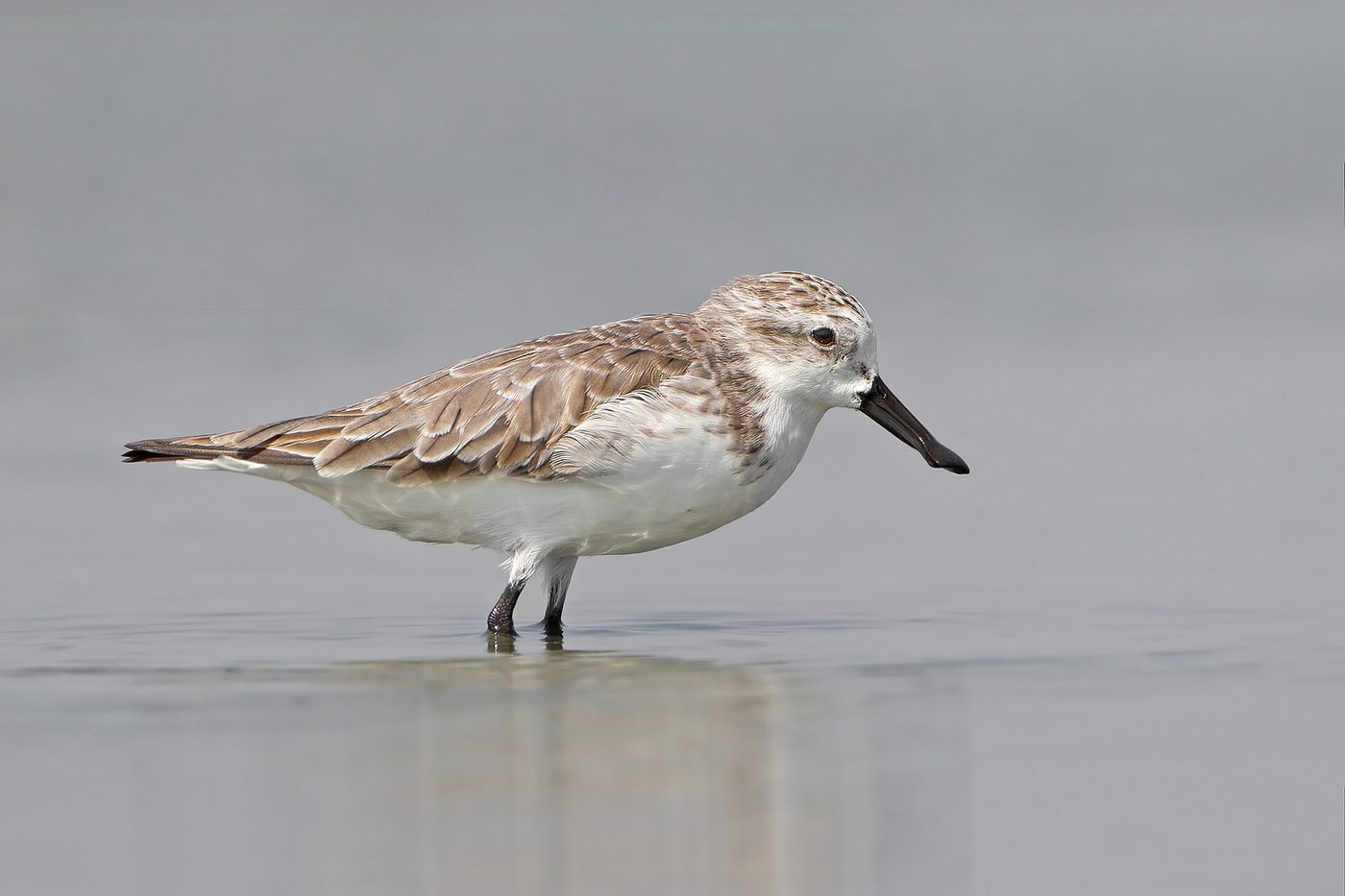
The spoon-billed sandpiper's flyway threads the Yellow Sea, where most tidal flats have been claimed by concrete. Head-starting on the Russian tundra, hunting-free village agreements in Myanmar, and China's new coastal-wetland protections all underpin a fragile flicker of hope.
What's killing them
- Reclamation of Yellow Sea tidal flats
- Hunting and trapping on wintering grounds
- Climate change on Arctic breeding grounds
Who's fighting for them
 BirdLife InternationalBirdLife International Donate
 ZSL EDGEZoological Society of London — EDGE of Existence Donate
 WCSWildlife Conservation Society Donate
Logos are the property of their respective organisations and link to their official sites.
Quick answers
How many Spoon-billed Sandpiper are left in the world?
Approximately ~490 mature. The Spoon-billed Sandpiper (Calidris pygmaea) is listed as Critically Endangered on the IUCN Red List, and their population trend is declining. Figures are estimates compiled from the IUCN Red List and conservation organisations.
Where does the Spoon-billed Sandpiper live?
The Spoon-billed Sandpiper is found in Russia, China, Bangladesh, Myanmar (Asia). Their habitat: Breeds on Chukotka's tundra; migrates 8,000 km down the East Asian coast.
Why is the Spoon-billed Sandpiper endangered?
The main threats to the Spoon-billed Sandpiper are: Reclamation of Yellow Sea tidal flats; Hunting and trapping on wintering grounds; Climate change on Arctic breeding grounds.
Who is working to save the Spoon-billed Sandpiper?
Organisations working on Spoon-billed Sandpiper conservation include BirdLife International; Zoological Society of London — EDGE of Existence; Wildlife Conservation Society.
Where they live
Pak Thale, Phetchaburi, Thailand · Russia · China · Bangladesh · Myanmar · Asia — Approximate range. Click the map to zoom.