№ 49 of 100
Blue-throated Macaw
Ara glaucogularis
A turquoise-throated macaw rediscovered in 1992 now returns to Bolivian savannas where their feathers once adorned festival headdresses.
- Range
- Bolivia
- Region
- South America
- Habitat
- Palm-island savannas of the Llanos de Moxos, Beni
Field notes
- Weight
- 900–1,100 g
- Size
- ≈85 cm (length, incl. tail)
- Lifespan
- over 50 years (captivity)
- Diet
- Frugivore
- Family
- Psittacidae
- Order
- Psittaciformes
The story
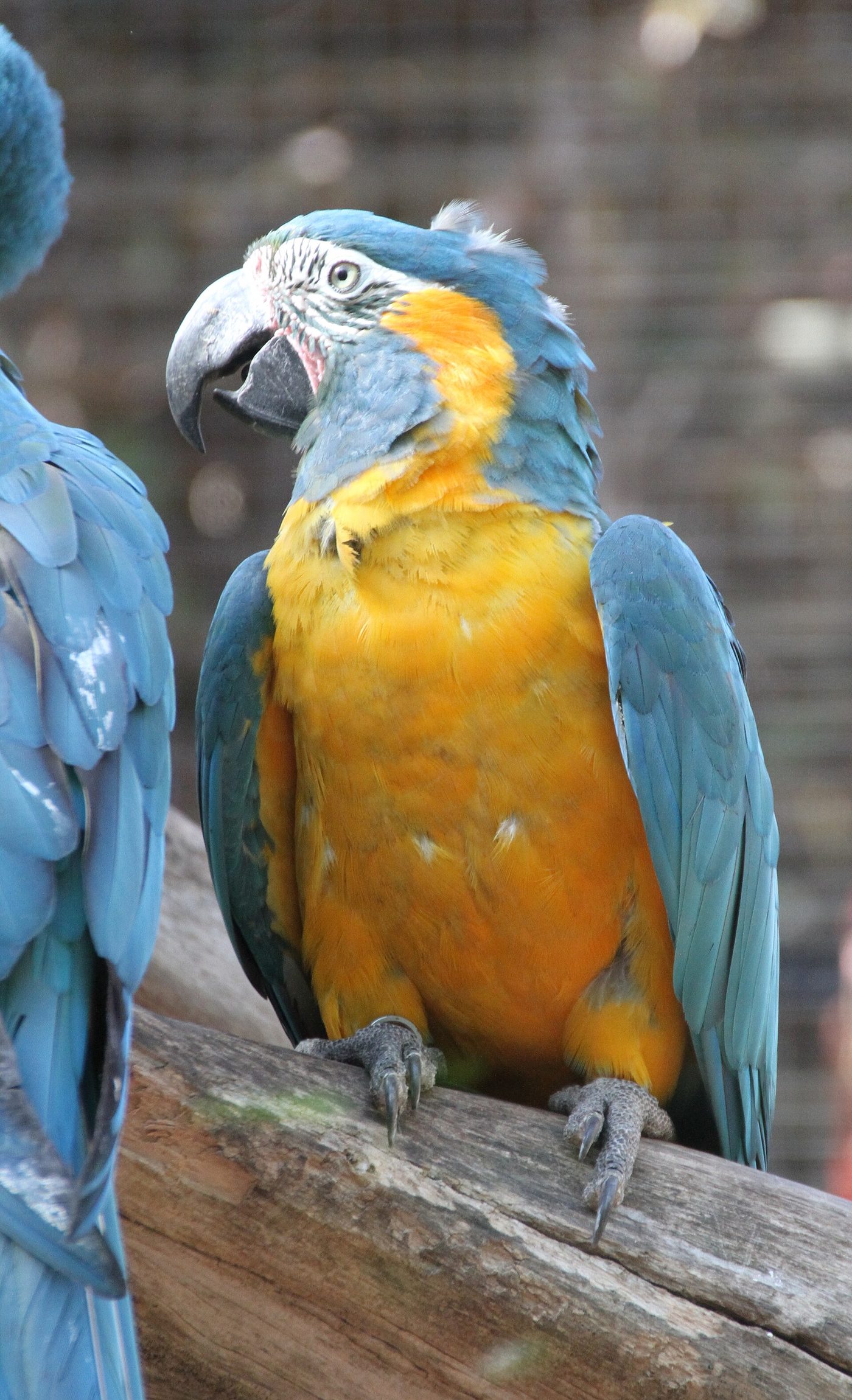
Trapping for the pet trade nearly erased the blue-throated macaw before their wild home was even known to science. Nest-box programmes across Beni ranchland fledge dozens of chicks yearly, and indigenous communities now craft festival headdresses from synthetic fibres instead of macaw feathers.
What's killing them
- Historic trapping for the pet trade
- Loss of motacú palm groves to cattle ranching
- Nest-site scarcity
Who's fighting for them
 BirdLife InternationalBirdLife International Donate
 Re:wildRe:wild — Global Wildlife Conservation Donate
 AZA SAFEAssociation of Zoos & Aquariums — SAFE Program Donate
Logos are the property of their respective organisations and link to their official sites.
Quick answers
How many Blue-throated Macaw are left in the world?
Approximately ~350–450. The Blue-throated Macaw (Ara glaucogularis) is listed as Critically Endangered on the IUCN Red List, and their population trend is recovering. Figures are estimates compiled from the IUCN Red List and conservation organisations.
Where does the Blue-throated Macaw live?
The Blue-throated Macaw is found in Bolivia (South America). Their habitat: Palm-island savannas of the Llanos de Moxos, Beni.
Why is the Blue-throated Macaw endangered?
The main threats to the Blue-throated Macaw are: Historic trapping for the pet trade; Loss of motacú palm groves to cattle ranching; Nest-site scarcity.
Who is working to save the Blue-throated Macaw?
Organisations working on Blue-throated Macaw conservation include BirdLife International; Re:wild — Global Wildlife Conservation; Association of Zoos & Aquariums — SAFE Program.
Where they live
Barba Azul Nature Reserve, Beni, Bolivia · Bolivia · South America — Approximate range. Click the map to zoom.