№ 53 of 100
Bali Myna
Leucopsar rothschildi
Bali's snow-white emblem was stolen almost to extinction for songbird cages — at its lowest, six wild birds remained.
- Range
- Indonesia
- Region
- Asia
- Habitat
- Monsoon forest and savanna of West Bali National Park
Field notes
- Weight
- 70–115 g
- Size
- ≈25 cm (length)
- Lifespan
- up to ~25 years (captivity)
- Diet
- Omnivore
- Family
- Sturnidae
- Order
- Passeriformes
The story
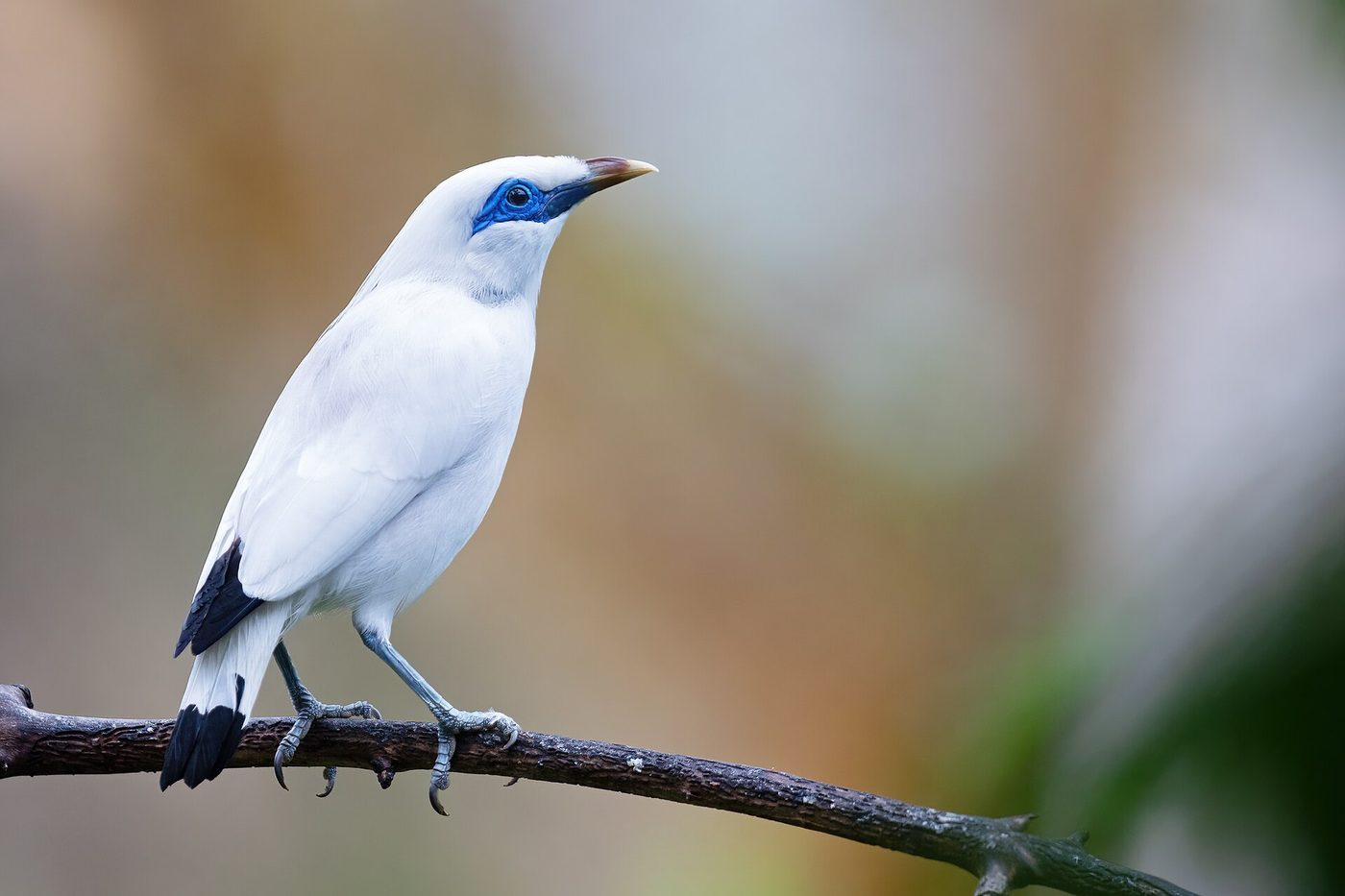
So beautiful they became a status symbol, Bali mynas were poached out of their own national park. A novel scheme licensing village breeders to keep and sell captive-bred mynas undercut the black market, and wild flocks around West Bali have climbed back into the hundreds.
What's killing them
- Trapping for the songbird trade
- Tiny range
- Historic population of just 6 wild birds (2001)
Who's fighting for them
 BirdLife InternationalBirdLife International Donate
 AZA SAFEAssociation of Zoos & Aquariums — SAFE Program Donate
 TRAFFICTRAFFIC — Wildlife Trade Monitoring Network Donate
Logos are the property of their respective organisations and link to their official sites.
Quick answers
How many Bali Myna are left in the world?
Approximately ~400–500 wild. The Bali Myna (Leucopsar rothschildi) is listed as Critically Endangered on the IUCN Red List, and their population trend is recovering. Figures are estimates compiled from the IUCN Red List and conservation organisations.
Where does the Bali Myna live?
The Bali Myna is found in Indonesia (Asia). Their habitat: Monsoon forest and savanna of West Bali National Park.
Why is the Bali Myna endangered?
The main threats to the Bali Myna are: Trapping for the songbird trade; Tiny range; Historic population of just 6 wild birds (2001).
Who is working to save the Bali Myna?
Organisations working on Bali Myna conservation include BirdLife International; Association of Zoos & Aquariums — SAFE Program; TRAFFIC — Wildlife Trade Monitoring Network.
Where they live
West Bali National Park (Taman Nasional Bali Barat), Bali, Indonesia · Indonesia · Asia — Approximate range. Click the map to zoom.