№ 95 of 100
Sunda Pangolin
Manis javanica
A creature that defends themselves by rolling into an armoured ball — perfect against tigers, useless against poachers who simply pick them up.
- Range
- IndonesiaMalaysiaThailandVietnamMyanmarCambodiaLaos
- Region
- Asia
- Habitat
- Lowland rainforest, plantations and gardens of Southeast Asia
Field notes
- Weight
- up to 10 kg
- Size
- 40–65 cm (head-and-body)
- Diet
- Insectivore
- Family
- Manidae
- Order
- Pholidota
The story
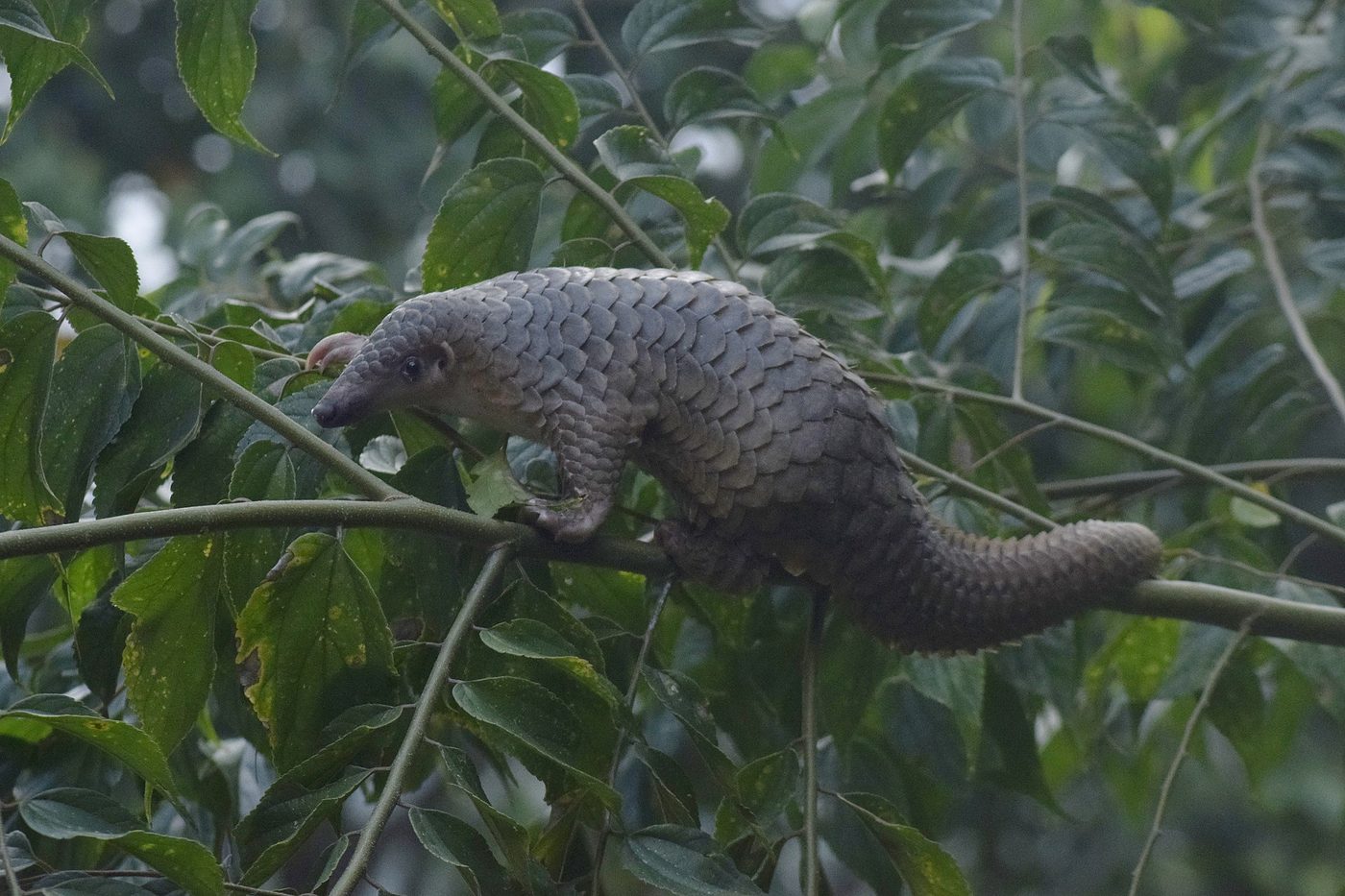
Pangolins are the most trafficked wild mammals on Earth, their scales — mere keratin, like fingernails — ground into traditional medicine. Seizures of Sunda pangolin scales run to the tens of tonnes; rescue centres in Vietnam release rehabilitated survivors fitted with tracking tags into guarded forest.
What's killing them
- World's most trafficked mammal — scales and meat
- Organised smuggling networks
- Habitat loss
- Electric fences and snares
Who's fighting for them
 TRAFFICTRAFFIC — Wildlife Trade Monitoring Network Donate
 WWFWorld Wide Fund for Nature Donate
 Re:wildRe:wild — Global Wildlife Conservation Donate
Logos are the property of their respective organisations and link to their official sites.
Quick answers
How many Sunda Pangolin are left in the world?
Approximately Unknown — declined >80% in 21 years. The Sunda Pangolin (Manis javanica) is listed as Critically Endangered on the IUCN Red List, and their population trend is declining. Figures are estimates compiled from the IUCN Red List and conservation organisations.
Where does the Sunda Pangolin live?
The Sunda Pangolin is found in Indonesia, Malaysia, Thailand, Vietnam, Myanmar, Cambodia, Laos (Asia). Their habitat: Lowland rainforest, plantations and gardens of Southeast Asia.
Why is the Sunda Pangolin endangered?
The main threats to the Sunda Pangolin are: World's most trafficked mammal — scales and meat; Organised smuggling networks; Habitat loss; Electric fences and snares.
Who is working to save the Sunda Pangolin?
Organisations working on Sunda Pangolin conservation include TRAFFIC — Wildlife Trade Monitoring Network; World Wide Fund for Nature; Re:wild — Global Wildlife Conservation.
Where they live
Deramakot Forest Reserve, Sabah, Malaysian Borneo · Indonesia · Malaysia · Thailand · Vietnam · Myanmar · Cambodia · Laos · Asia — Approximate range. Click the map to zoom.