№ 96 of 100
Chinese Pangolin
Manis pentadactyla
A burrowing engineer whose abandoned tunnels shelter dozens of other species — emptied from their forests by relentless demand for their scales.
- Range
- ChinaTaiwanVietnamNepalIndiaMyanmar
- Region
- Asia
- Habitat
- Subtropical forest and grassland burrows from the Himalayas to southern China
Field notes
- Weight
- 2–7 kg
- Size
- 40–58 cm (head-and-body)
- Lifespan
- more than 20 years (captivity)
- Diet
- Insectivore
- Family
- Manidae
- Order
- Pholidota
The story
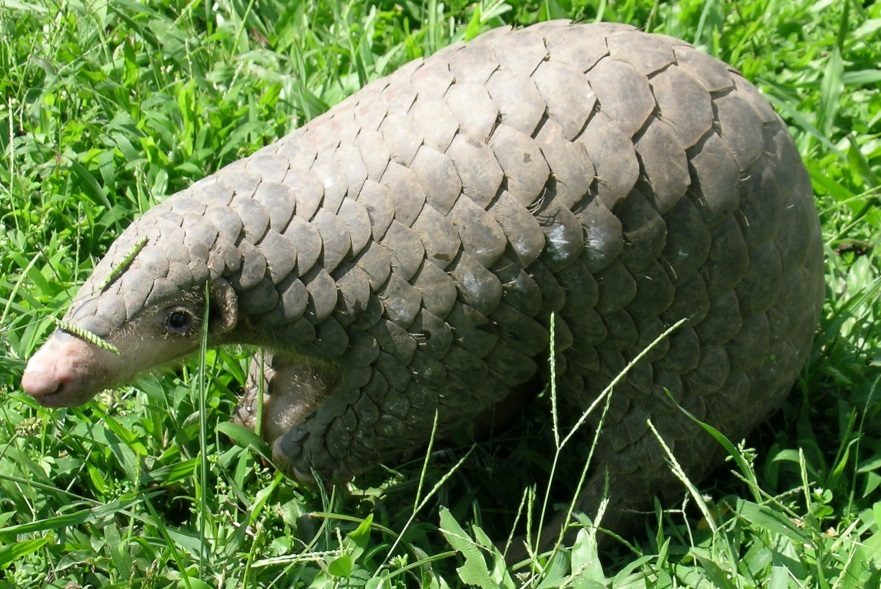
The Chinese pangolin digs deep insulated burrows that whole communities of animals inherit. Decades of harvesting made them functionally extinct across much of China, though Taiwan offers a counter-story: with strong protection it hosts the world's densest pangolin population.
What's killing them
- Poaching for scales and meat
- Demand from traditional medicine
- Habitat fragmentation
- Slow reproduction — one pup a year
Who's fighting for them
 TRAFFICTRAFFIC — Wildlife Trade Monitoring Network Donate
 WCSWildlife Conservation Society Donate
 IUCN Red ListInternational Union for Conservation of Nature — Species Survival Commission Donate
Logos are the property of their respective organisations and link to their official sites.
Quick answers
How many Chinese Pangolin are left in the world?
Approximately Unknown — functionally extinct in much of China. The Chinese Pangolin (Manis pentadactyla) is listed as Critically Endangered on the IUCN Red List, and their population trend is declining. Figures are estimates compiled from the IUCN Red List and conservation organisations.
Where does the Chinese Pangolin live?
The Chinese Pangolin is found in China, Taiwan, Vietnam, Nepal, India, Myanmar (Asia). Their habitat: Subtropical forest and grassland burrows from the Himalayas to southern China.
Why is the Chinese Pangolin endangered?
The main threats to the Chinese Pangolin are: Poaching for scales and meat; Demand from traditional medicine; Habitat fragmentation; Slow reproduction — one pup a year.
Who is working to save the Chinese Pangolin?
Organisations working on Chinese Pangolin conservation include TRAFFIC — Wildlife Trade Monitoring Network; Wildlife Conservation Society; International Union for Conservation of Nature — Species Survival Commission.
Where they live
Taitung County, Taiwan · China · Taiwan · Vietnam · Nepal · India · Myanmar · Asia — Approximate range. Click the map to zoom.