№ 97 of 100
Philippine Pangolin
Manis culionensis
Found only on Palawan, the world's least-known pangolin could vanish before science properly describes their life.
- Range
- Philippines
- Region
- Asia
- Habitat
- Forest and scrub of the Palawan island group — found nowhere else
Field notes
- Weight
- 1–3 kg
- Size
- 60–89 cm (head-body)
- Lifespan
- up to 20 years (captivity)
- Diet
- Insectivore
- Family
- Manidae
- Order
- Pholidota
The story
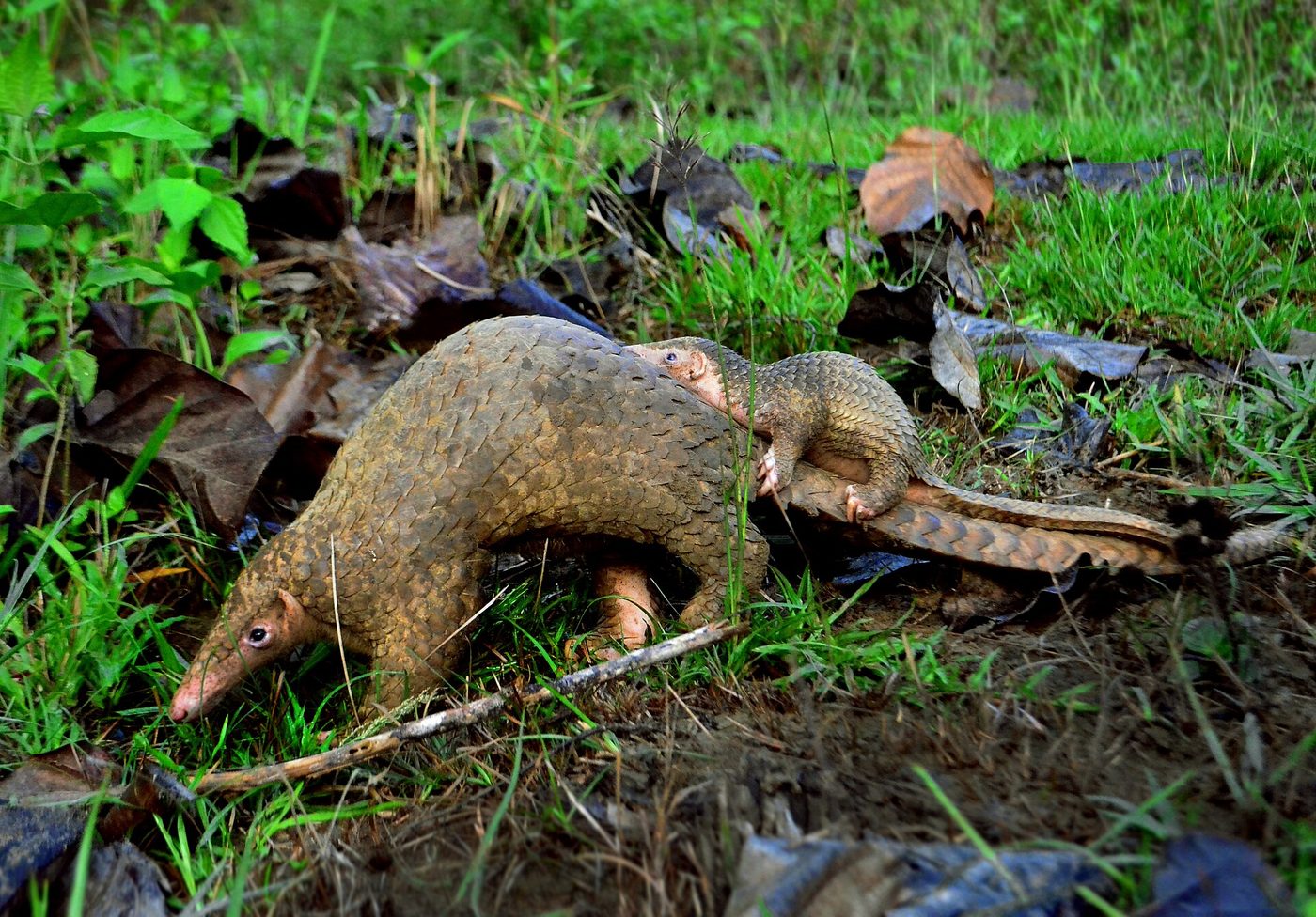
The 'balintong' is endemic to a single Philippine island group, making them acutely vulnerable to trafficking syndicates moving scales by sea. Indigenous Palawan communities, local NGOs and port enforcement form the species' thin line of defence.
What's killing them
- Trafficking via maritime smuggling routes
- Local hunting
- Single-archipelago range
- Forest clearance
Who's fighting for them
 TRAFFICTRAFFIC — Wildlife Trade Monitoring Network Donate
 Re:wildRe:wild — Global Wildlife Conservation Donate
 IUCN Red ListInternational Union for Conservation of Nature — Species Survival Commission Donate
Logos are the property of their respective organisations and link to their official sites.
Quick answers
How many Philippine Pangolin are left in the world?
Approximately Unknown — Palawan only. The Philippine Pangolin (Manis culionensis) is listed as Critically Endangered on the IUCN Red List, and their population trend is declining. Figures are estimates compiled from the IUCN Red List and conservation organisations.
Where does the Philippine Pangolin live?
The Philippine Pangolin is found in Philippines (Asia). Their habitat: Forest and scrub of the Palawan island group — found nowhere else.
Why is the Philippine Pangolin endangered?
The main threats to the Philippine Pangolin are: Trafficking via maritime smuggling routes; Local hunting; Single-archipelago range; Forest clearance.
Who is working to save the Philippine Pangolin?
Organisations working on Philippine Pangolin conservation include TRAFFIC — Wildlife Trade Monitoring Network; Re:wild — Global Wildlife Conservation; International Union for Conservation of Nature — Species Survival Commission.
Where they live
Puerto Princesa Subterranean River National Park, Palawan · Philippines · Asia — Approximate range. Click the map to zoom.