№ 55 of 100
California Condor
Gymnogyps californianus
In 1987 every California condor on Earth — all 22 — was taken into captivity. Today over 350 ride the thermals again.
- Range
- United StatesMexico
- Region
- North America
- Habitat
- Cliffs and canyons of California, Arizona, Utah and Baja California
Field notes
- Weight
- 7–14.1 kg
- Size
- 2.49–3 m (wingspan)
- Lifespan
- up to 60 years
- Diet
- Carnivore
- Family
- Cathartidae
- Order
- Cathartiformes
The story
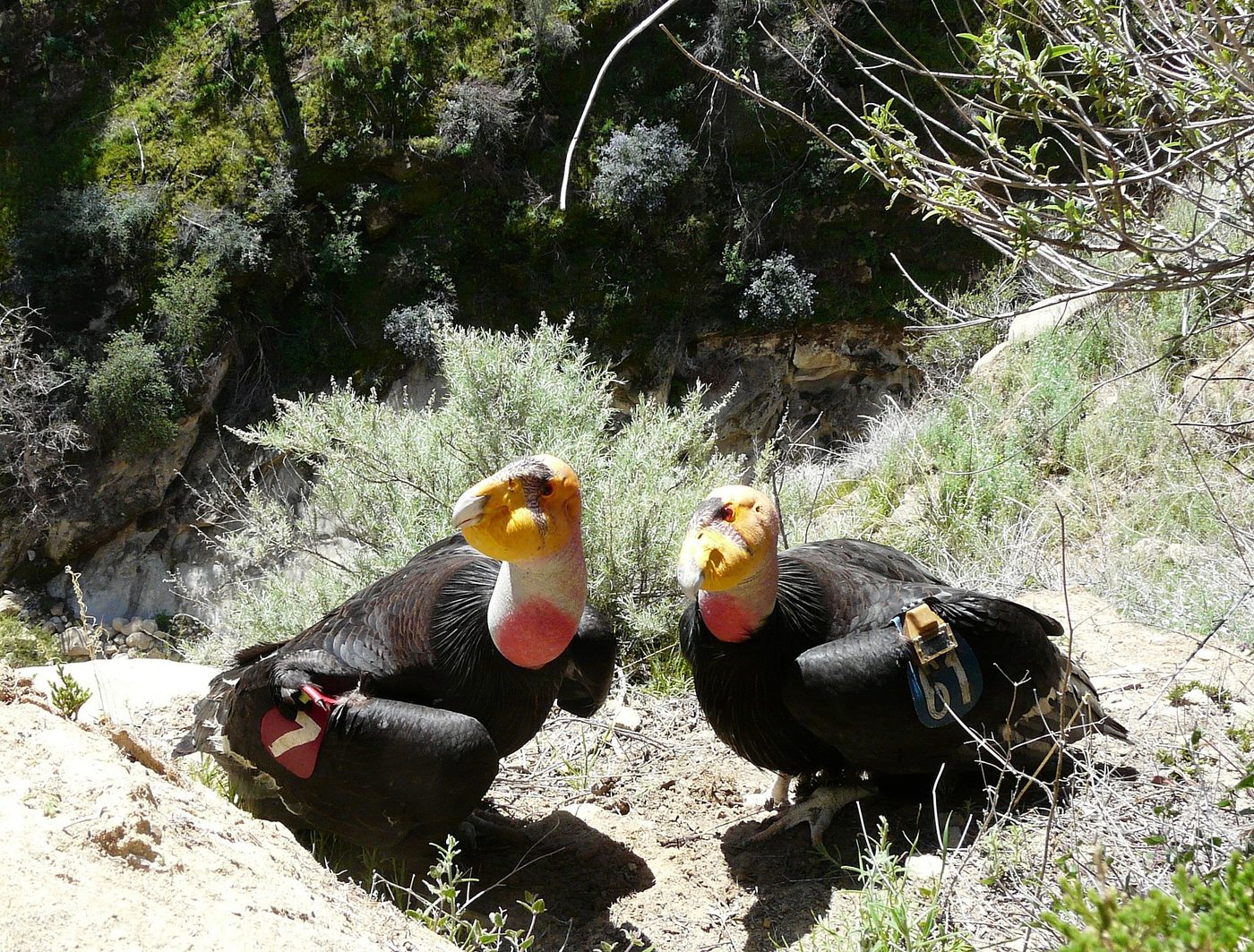
North America's largest bird, with a three-metre wingspan, was rescued by the most famous captive-breeding gamble ever taken. Condors now breed wild in four states and Mexico, including releases by the Yurok Tribe in redwood country, but lead ammunition in carrion still poisons more condors than any other threat.
What's killing them
- Lead poisoning from carcass ammunition
- Micro-trash ingestion
- Avian influenza
- Slow reproduction
Who's fighting for them
 U.S. Fish & WildlifeUnited States Fish & Wildlife Service Donate
 AZA SAFEAssociation of Zoos & Aquariums — SAFE Program Donate
 Re:wildRe:wild — Global Wildlife Conservation Donate
Logos are the property of their respective organisations and link to their official sites.
Quick answers
How many California Condor are left in the world?
Approximately ~560 (~350 wild). The California Condor (Gymnogyps californianus) is listed as Critically Endangered on the IUCN Red List, and their population trend is recovering. Figures are estimates compiled from the IUCN Red List and conservation organisations.
Where does the California Condor live?
The California Condor is found in United States, Mexico (North America). Their habitat: Cliffs and canyons of California, Arizona, Utah and Baja California.
Why is the California Condor endangered?
The main threats to the California Condor are: Lead poisoning from carcass ammunition; Micro-trash ingestion; Avian influenza; Slow reproduction.
Who is working to save the California Condor?
Organisations working on California Condor conservation include United States Fish & Wildlife Service; Association of Zoos & Aquariums — SAFE Program; Re:wild — Global Wildlife Conservation.
Where they live
Hopper Mountain National Wildlife Refuge, California · United States · Mexico · North America — Approximate range. Click the map to zoom.