№ 36 of 100
Ploughshare Tortoise
Astrochelys yniphora
The world's most trafficked tortoise is so coveted by collectors that conservationists deface shells to make them worthless.
- Range
- Madagascar
- Region
- Africa
- Habitat
- Bamboo-scrub around Baly Bay, northwestern Madagascar
Field notes
- Weight
- 8.8–10.3 kg
- Size
- 37–43 cm (carapace)
- Diet
- Herbivore
- Family
- Testudinidae
- Order
- Testudines
The story
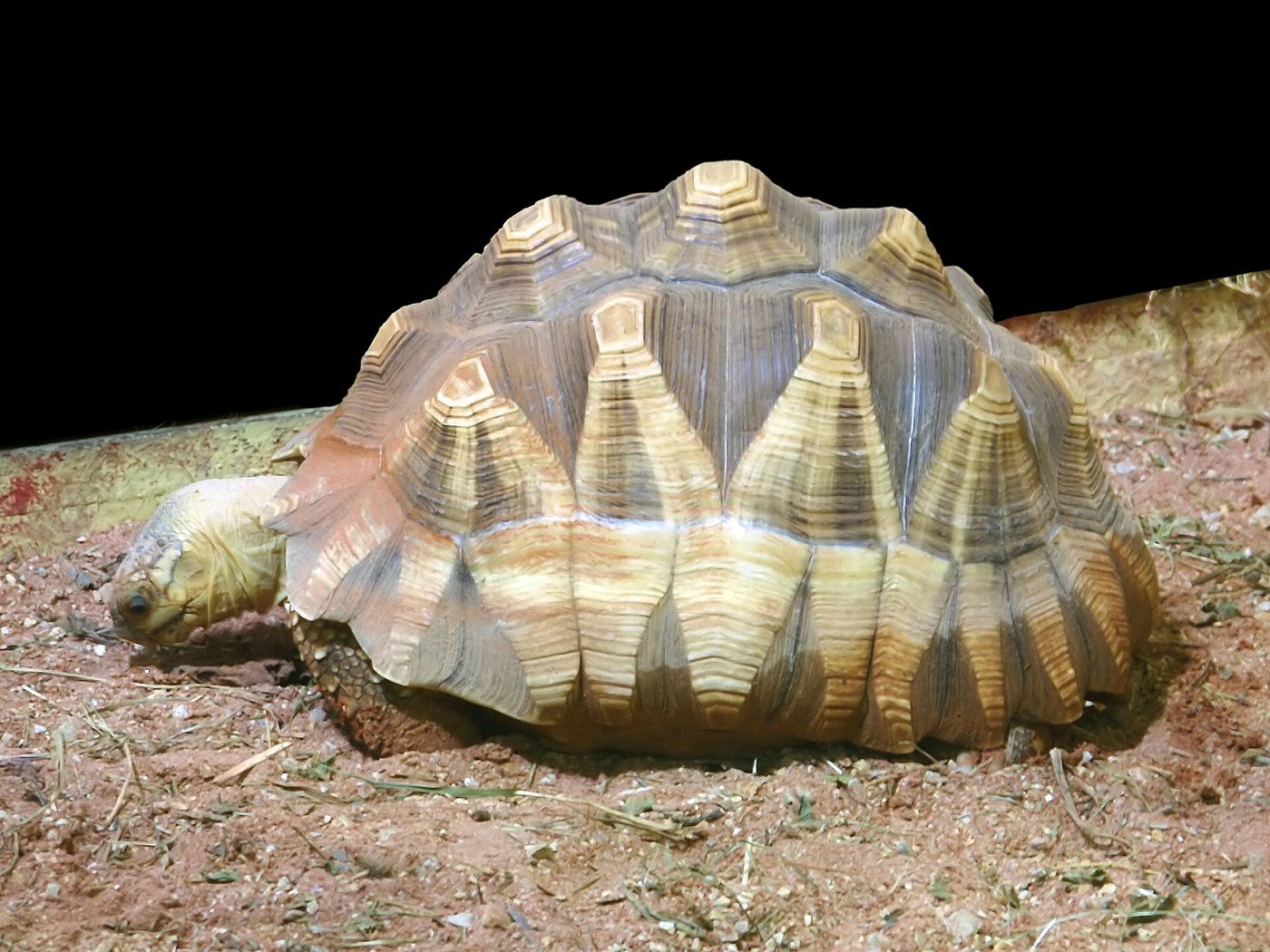
The golden-domed ploughshare exists only around Baly Bay, where their beauty has made them a black-market trophy worth more than gold by weight. Guards now engrave identification marks into the shells of wild tortoises to destroy their trade value, while Durrell's breeding centre raises confiscated and captive-bred young.
What's killing them
- Poaching for the luxury pet trade
- Brush fires
- Tiny range
- Collector prices in the tens of thousands of dollars
Who's fighting for them
 DurrellDurrell Wildlife Conservation Trust Donate
 Turtle Survival AllianceTurtle Survival Alliance Donate
 TRAFFICTRAFFIC — Wildlife Trade Monitoring Network Donate
Logos are the property of their respective organisations and link to their official sites.
Quick answers
How many Ploughshare Tortoise are left in the world?
Approximately <200 wild. The Ploughshare Tortoise (Astrochelys yniphora) is listed as Critically Endangered on the IUCN Red List, and their population trend is declining. Figures are estimates compiled from the IUCN Red List and conservation organisations.
Where does the Ploughshare Tortoise live?
The Ploughshare Tortoise is found in Madagascar (Africa). Their habitat: Bamboo-scrub around Baly Bay, northwestern Madagascar.
Why is the Ploughshare Tortoise endangered?
The main threats to the Ploughshare Tortoise are: Poaching for the luxury pet trade; Brush fires; Tiny range; Collector prices in the tens of thousands of dollars.
Who is working to save the Ploughshare Tortoise?
Organisations working on Ploughshare Tortoise conservation include Durrell Wildlife Conservation Trust; Turtle Survival Alliance; TRAFFIC — Wildlife Trade Monitoring Network.
Where they live
Baie de Baly National Park, Madagascar · Madagascar · Africa — Approximate range. Click the map to zoom.