№ 37 of 100
Giant Ibis
Thaumatibis gigantea
Cambodia's national bird, a metre-tall shadow of the northern forests, numbers around 200 individuals.
- Range
- CambodiaLaos
- Region
- Asia
- Habitat
- Seasonal wetlands and dry dipterocarp forest of northern Cambodia
Field notes
- Weight
- ≈4.2 kg
- Size
- 102–106 cm (length)
- Diet
- Carnivore
- Family
- Threskiornithidae
- Order
- Pelecaniformes
The story
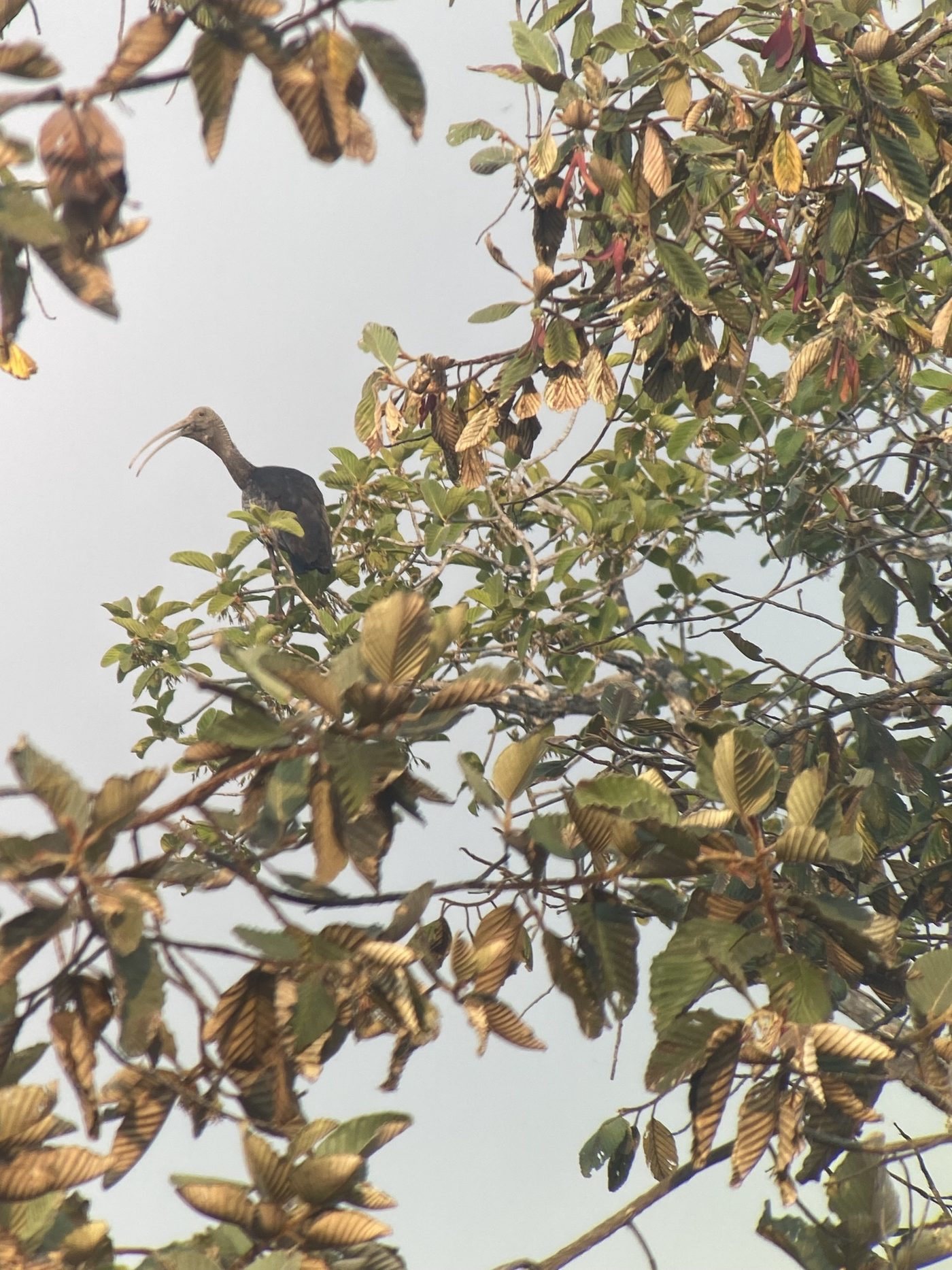
The giant ibis survived war and famine in Cambodia's remote north only to face accelerating forest loss. Community nest-protection schemes pay villagers to guard breeding trees, tying the bird's fate to some of the most successful village-led conservation in Southeast Asia.
What's killing them
- Wetland drainage for agriculture
- Hunting and egg collection
- Logging
- Drought intensified by climate change
Who's fighting for them


Logos are the property of their respective organisations and link to their official sites.
Quick answers
How many Giant Ibis are left in the world?
Approximately ~200. The Giant Ibis (Thaumatibis gigantea) is listed as Critically Endangered on the IUCN Red List, and their population trend is declining. Figures are estimates compiled from the IUCN Red List and conservation organisations.
Where does the Giant Ibis live?
The Giant Ibis is found in Cambodia, Laos (Asia). Their habitat: Seasonal wetlands and dry dipterocarp forest of northern Cambodia.
Why is the Giant Ibis endangered?
The main threats to the Giant Ibis are: Wetland drainage for agriculture; Hunting and egg collection; Logging; Drought intensified by climate change.
Who is working to save the Giant Ibis?
Organisations working on Giant Ibis conservation include Wildlife Conservation Society; BirdLife International.
Where they live
Siem Pang Wildlife Sanctuary (Western Siem Pang), Stung Treng, Cambodia · Cambodia · Laos · Asia — Approximate range. Click the map to zoom.