№ 42 of 100
Chinese Alligator
Alligator sinensis
The 'muddy dragon' of Chinese legend survives wild in farm ponds — while twenty thousand wait in breeding centres.
- Range
- China
- Region
- Asia
- Habitat
- Ponds, ditches and wetland fragments of the lower Yangtze floodplain, Anhui
Field notes
- Weight
- 36–45 kg
- Size
- 1.5–2.1 m (body length)
- Lifespan
- up to 50 years (wild)
- Diet
- Carnivore
- Family
- Alligatoridae
- Order
- Crocodilia
The story
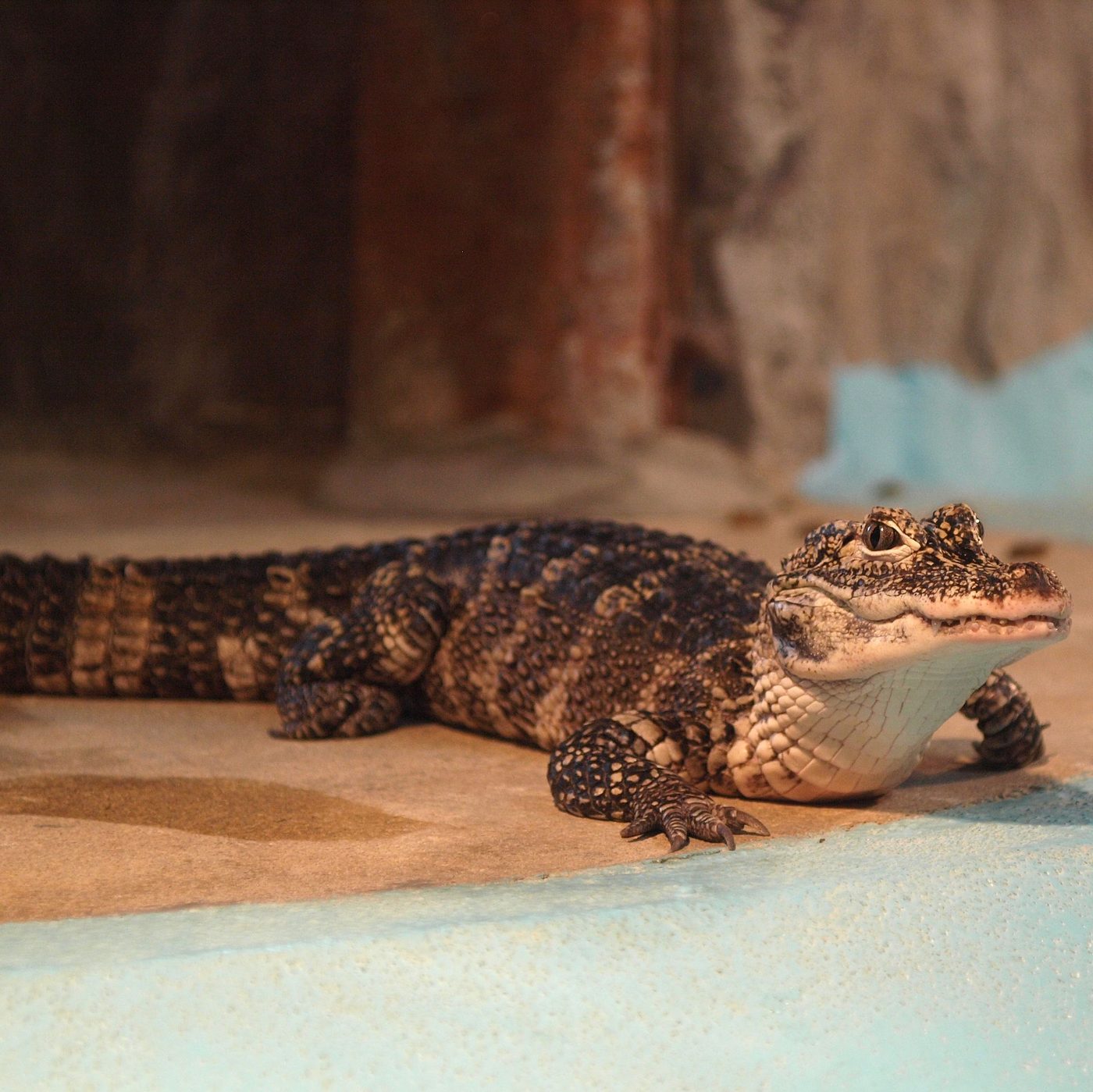
One of only two alligator species on Earth, the Chinese alligator hibernates in burrows through Yangtze winters. Their wild population collapsed with the floodplain's conversion to agriculture, but releases of captive-bred animals into restored wetlands have tripled wild numbers since 2000.
What's killing them
- Conversion of wetlands to rice paddies
- Historic persecution
- Pesticide poisoning of prey
- Tiny fragmented wild range
Who's fighting for them
 WCSWildlife Conservation Society Donate
 Turtle Survival AllianceTurtle Survival Alliance Donate
 IUCN Red ListInternational Union for Conservation of Nature — Species Survival Commission Donate
Logos are the property of their respective organisations and link to their official sites.
Quick answers
How many Chinese Alligator are left in the world?
Approximately ~300 wild · >20,000 captive. The Chinese Alligator (Alligator sinensis) is listed as Critically Endangered on the IUCN Red List, and their population trend is recovering. Figures are estimates compiled from the IUCN Red List and conservation organisations.
Where does the Chinese Alligator live?
The Chinese Alligator is found in China (Asia). Their habitat: Ponds, ditches and wetland fragments of the lower Yangtze floodplain, Anhui.
Why is the Chinese Alligator endangered?
The main threats to the Chinese Alligator are: Conversion of wetlands to rice paddies; Historic persecution; Pesticide poisoning of prey; Tiny fragmented wild range.
Who is working to save the Chinese Alligator?
Organisations working on Chinese Alligator conservation include Wildlife Conservation Society; Turtle Survival Alliance; International Union for Conservation of Nature — Species Survival Commission.
Where they live
Anhui National Nature Reserve for Chinese Alligator, Xuancheng, Anhui, China · China · Asia — Approximate range. Click the map to zoom.