№ 43 of 100
Vancouver Island Marmot
Marmota vancouverensis
Canada's most endangered mammal — a chocolate-brown alpine marmot found on one island — fell to 30 animals in 2003.
- Range
- Canada
- Region
- North America
- Habitat
- Sub-alpine meadows of Vancouver Island, British Columbia
Field notes
- Weight
- 4.5–7.5 kg
- Size
- 65–70 cm (length)
- Lifespan
- up to 10 years (wild); 14 years (captivity)
- Diet
- Herbivore
- Family
- Sciuridae
- Order
- Rodentia
The story
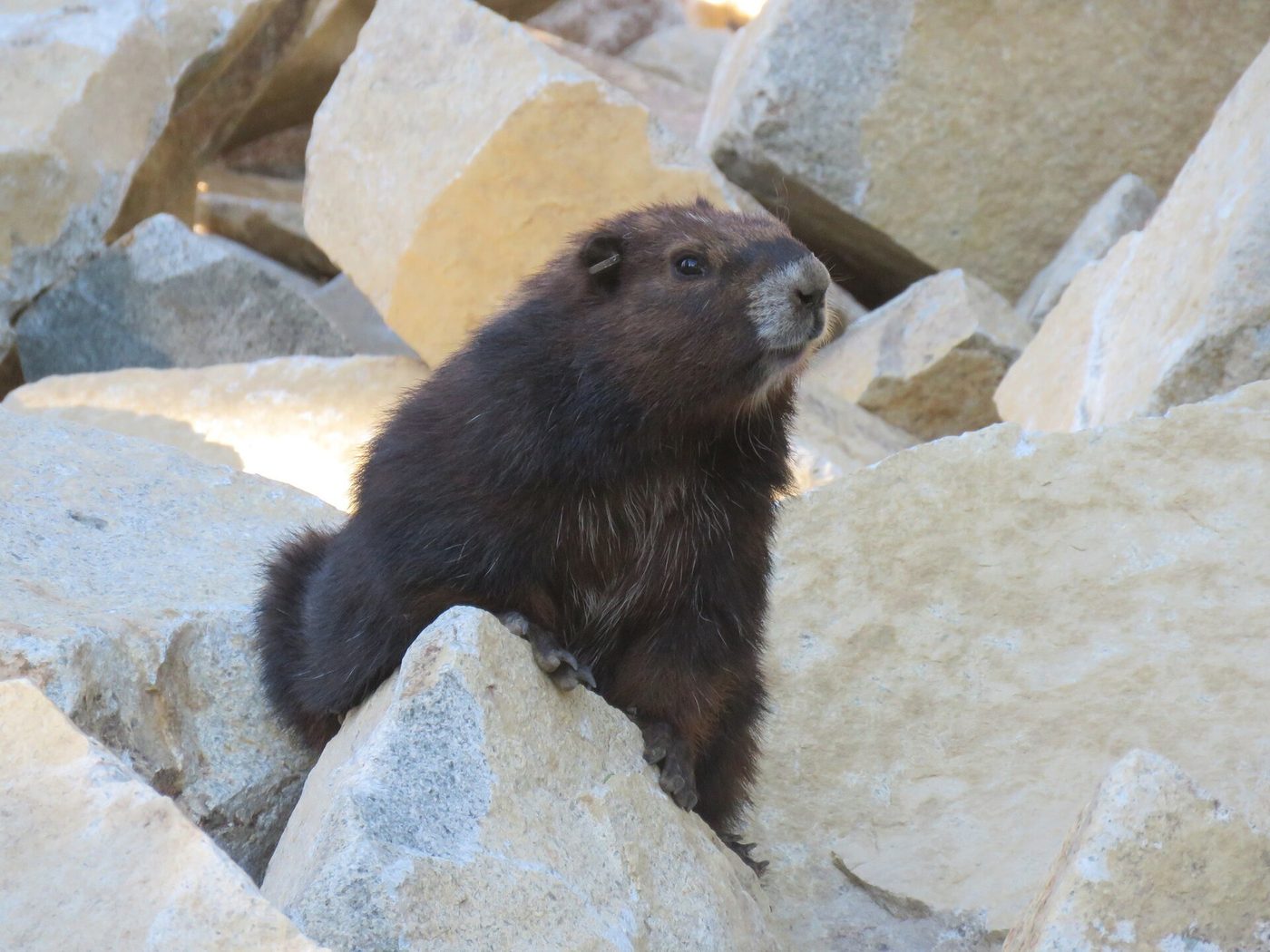
Logging roads funnelled predators into the high meadows where these sociable marmots whistle from boulders. A breeding programme spanning Canadian zoos has released hundreds of pups, pushing the wild population from 30 to around 300 across its mountain colonies.
What's killing them
- Predation by cougars, wolves and eagles
- Clear-cut logging altering meadow ecology
- Tiny population effects
Who's fighting for them
 IUCN Red ListInternational Union for Conservation of Nature — Species Survival Commission Donate
 AZA SAFEAssociation of Zoos & Aquariums — SAFE Program Donate
 WCSWildlife Conservation Society Donate
Logos are the property of their respective organisations and link to their official sites.
Quick answers
How many Vancouver Island Marmot are left in the world?
Approximately ~300 wild. The Vancouver Island Marmot (Marmota vancouverensis) is listed as Critically Endangered on the IUCN Red List, and their population trend is recovering. Figures are estimates compiled from the IUCN Red List and conservation organisations.
Where does the Vancouver Island Marmot live?
The Vancouver Island Marmot is found in Canada (North America). Their habitat: Sub-alpine meadows of Vancouver Island, British Columbia.
Why is the Vancouver Island Marmot endangered?
The main threats to the Vancouver Island Marmot are: Predation by cougars, wolves and eagles; Clear-cut logging altering meadow ecology; Tiny population effects.
Who is working to save the Vancouver Island Marmot?
Organisations working on Vancouver Island Marmot conservation include International Union for Conservation of Nature — Species Survival Commission; Association of Zoos & Aquariums — SAFE Program; Wildlife Conservation Society.
Where they live
Mount Washington, Vancouver Island, British Columbia · Canada · North America — Approximate range. Click the map to zoom.