№ 46 of 100
North Atlantic Right Whale
Eubalaena glacialis
Whalers called them the 'right' whale to kill; today ropes and ships are finishing what harpoons began — about 360 remain.
- Range
- United StatesCanada
- Region
- North America
- Habitat
- Coastal Atlantic waters from Florida's calving grounds to Canadian feeding gulfs
Field notes
- Weight
- 40,000–90,000 kg
- Size
- 13–18 m (length)
- Lifespan
- at least 70 years
- Diet
- Filter feeder
- Family
- Balaenidae
- Order
- Artiodactyla
The story
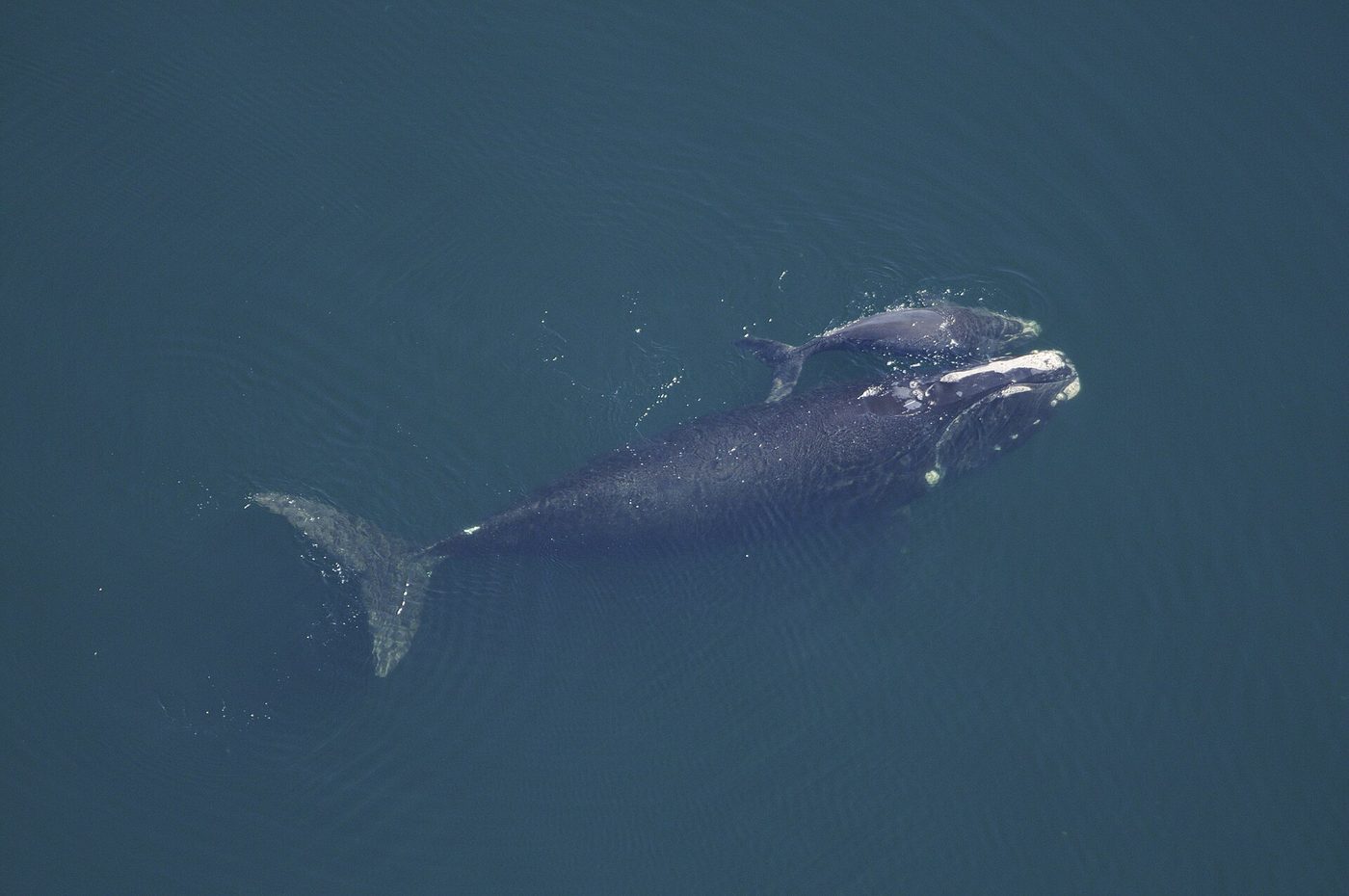
More than 85% of North Atlantic right whales bear entanglement scars, and warming seas have pushed their copepod prey into busy shipping lanes. Ropeless 'on-demand' fishing gear and dynamic speed zones are the technologies conservationists are racing to scale before females fall below recovery numbers.
What's killing them
- Entanglement in fishing rope
- Ship strikes
- Shifting prey from ocean warming
- Low calving rates
Who's fighting for them
 NOAA FisheriesNOAA Fisheries — Protected Resources Donate
 WWFWorld Wide Fund for Nature Donate
 IUCN Red ListInternational Union for Conservation of Nature — Species Survival Commission Donate
Logos are the property of their respective organisations and link to their official sites.
Quick answers
How many North Atlantic Right Whale are left in the world?
Approximately ~360 (~70 breeding females). The North Atlantic Right Whale (Eubalaena glacialis) is listed as Critically Endangered on the IUCN Red List, and their population trend is declining. Figures are estimates compiled from the IUCN Red List and conservation organisations.
Where does the North Atlantic Right Whale live?
The North Atlantic Right Whale is found in United States, Canada (North America). Their habitat: Coastal Atlantic waters from Florida's calving grounds to Canadian feeding gulfs.
Why is the North Atlantic Right Whale endangered?
The main threats to the North Atlantic Right Whale are: Entanglement in fishing rope; Ship strikes; Shifting prey from ocean warming; Low calving rates.
Who is working to save the North Atlantic Right Whale?
Organisations working on North Atlantic Right Whale conservation include NOAA Fisheries — Protected Resources; World Wide Fund for Nature; International Union for Conservation of Nature — Species Survival Commission.
Where they live
Bay of Fundy, Canada · United States · Canada · North America — Approximate range. Click the map to zoom.