№ 76 of 100
Tristan Albatross
Diomedea dabbenena
On one of the remotest islands on Earth, introduced mice eat albatross chicks alive in their nests.
- Range
- United Kingdom (Tristan da Cunha)
- Region
- Global Oceans
- Habitat
- Breeds almost solely on Gough Island; forages across the South Atlantic
Field notes
- Weight
- 6.8–7.3 kg
- Size
- up to 3.05 m (wingspan)
- Lifespan
- up to 38 years
- Diet
- Carnivore
- Family
- Diomedeidae
- Order
- Procellariiformes
The story
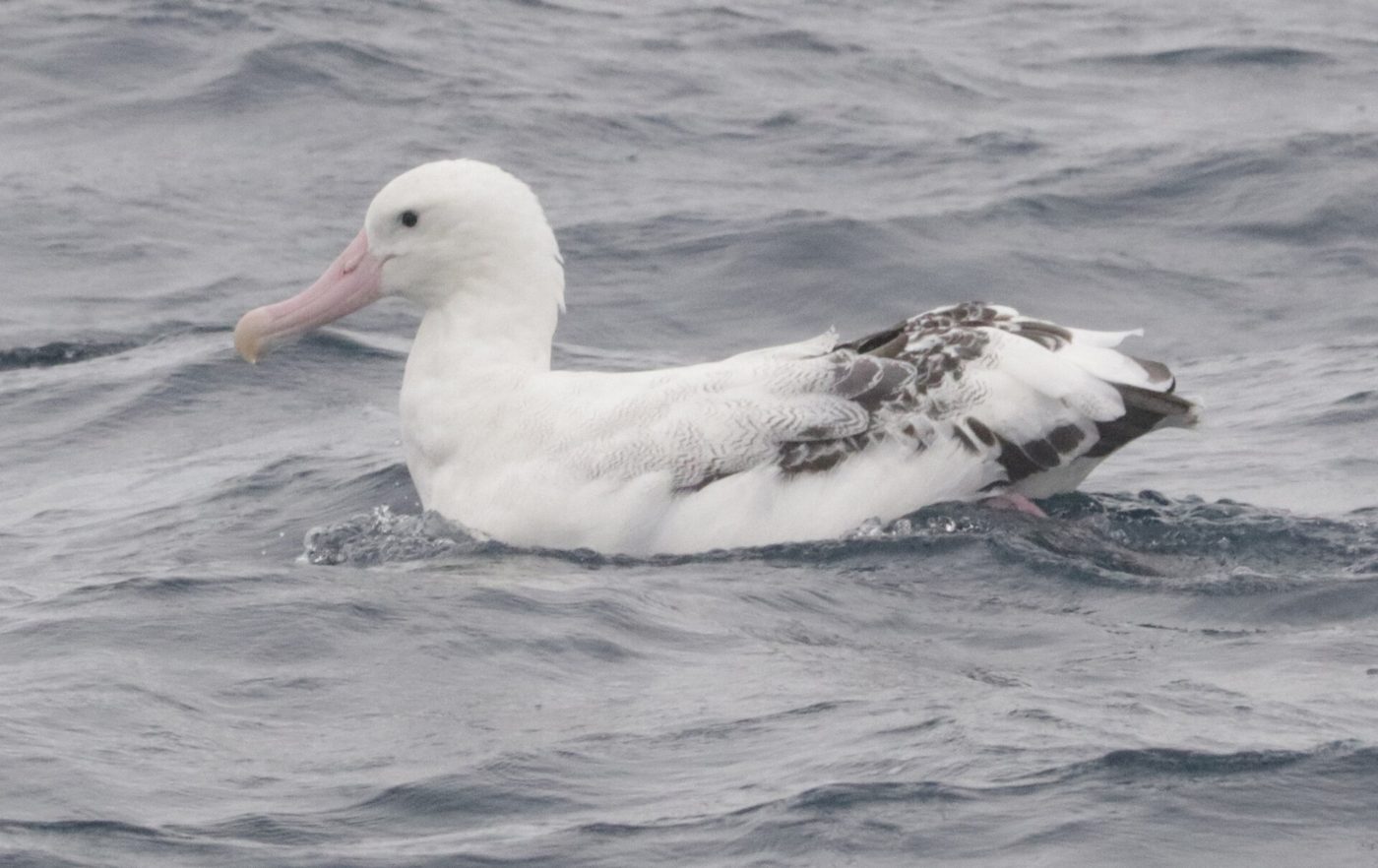
Nearly every Tristan albatross hatches on Gough Island, where ordinary house mice — grown unusually large — devour seabird chicks by night. An eradication attempt in 2021 narrowly failed, and planning for a second strike continues while bycatch-reduction measures protect adults at sea.
What's killing them
- Invasive house mice eating live chicks
- Longline fishing bycatch
- Single breeding island
Who's fighting for them
 BirdLife InternationalBirdLife International Donate
 Re:wildRe:wild — Global Wildlife Conservation Donate
Logos are the property of their respective organisations and link to their official sites.
Quick answers
How many Tristan Albatross are left in the world?
Approximately ~5,000 (~1,700 pairs). The Tristan Albatross (Diomedea dabbenena) is listed as Critically Endangered on the IUCN Red List, and their population trend is declining. Figures are estimates compiled from the IUCN Red List and conservation organisations.
Where does the Tristan Albatross live?
The Tristan Albatross is found in United Kingdom (Tristan da Cunha) (Global Oceans). Their habitat: Breeds almost solely on Gough Island; forages across the South Atlantic.
Why is the Tristan Albatross endangered?
The main threats to the Tristan Albatross are: Invasive house mice eating live chicks; Longline fishing bycatch; Single breeding island.
Who is working to save the Tristan Albatross?
Organisations working on Tristan Albatross conservation include BirdLife International; Re:wild — Global Wildlife Conservation.
Where they live
Gough Island, Tristan da Cunha, South Atlantic · United Kingdom (Tristan da Cunha) · Global Oceans — Approximate range. Click the map to zoom.