№ 17 of 100
Southern Corroboree Frog
Pseudophryne corroboree
Australia's yellow-and-black alpine jewel survives in the wild only inside disease-proof enclosures in the Snowy Mountains.
- Range
- Australia
- Region
- Oceania
- Habitat
- Sphagnum bogs of the Snowy Mountains, Kosciuszko National Park
Field notes
- Size
- 22–31 mm (snout-vent length)
- Lifespan
- sexually mature at 4 years
- Diet
- Insectivore
- Family
- Myobatrachidae
- Order
- Anura
The story
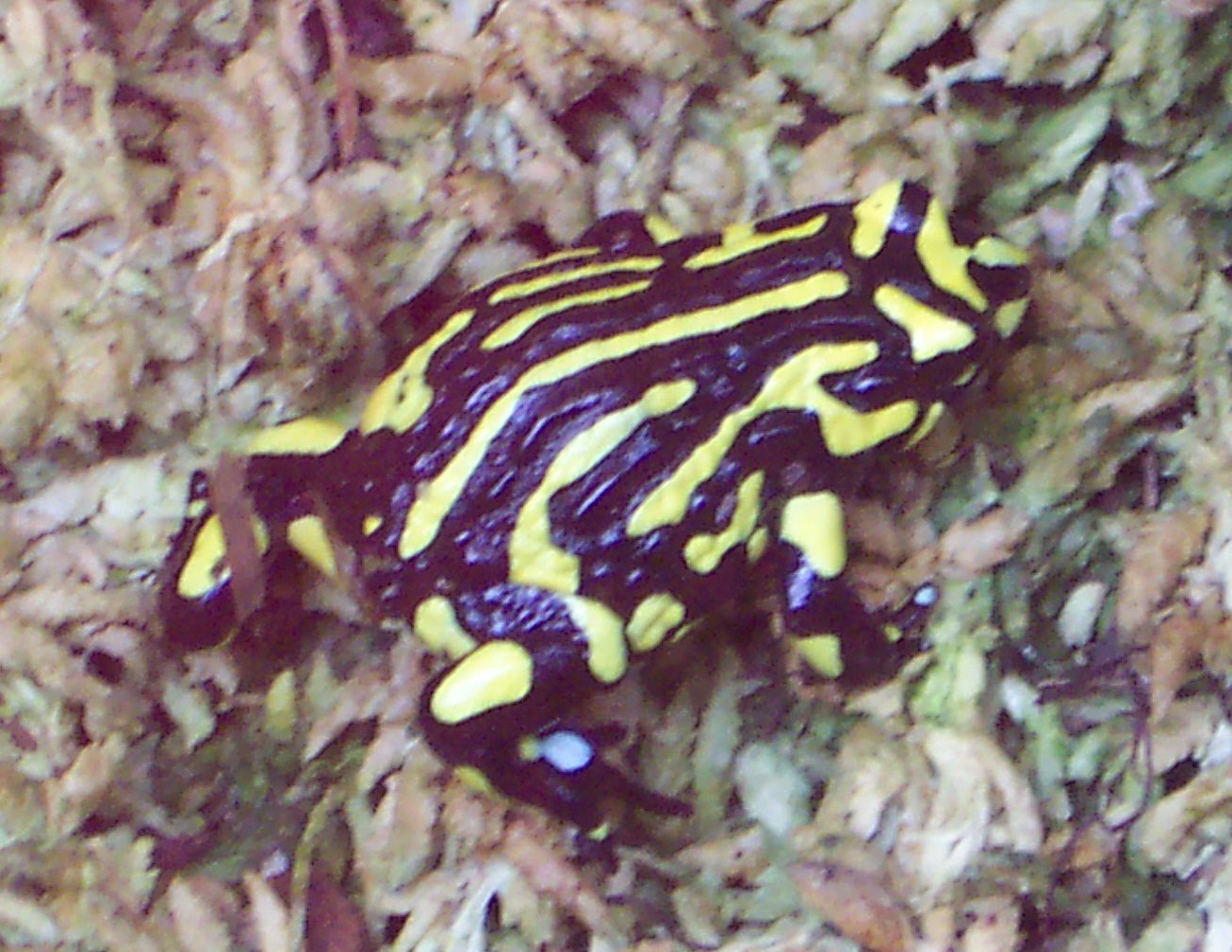
The corroboree frog's bold stripes warn of toxins they brew from their own diet — unique among frogs. Chytrid fungus annihilated wild populations, and the species now persists through zoo breeding and releases into fungus-free fenced bogs high in Kosciuszko National Park.
What's killing them
- Chytrid fungus
- Climate change drying alpine bogs
- Bushfires
- Invasive species
Who's fighting for them
 Amphibian ArkAmphibian Ark Donate
 Australian Wildlife ConservancyAustralian Wildlife Conservancy Donate
 AZA SAFEAssociation of Zoos & Aquariums — SAFE Program Donate
Logos are the property of their respective organisations and link to their official sites.
Quick answers
How many Southern Corroboree Frog are left in the world?
Approximately <50 wild · thousands captive. The Southern Corroboree Frog (Pseudophryne corroboree) is listed as Critically Endangered on the IUCN Red List, and their population trend is declining. Figures are estimates compiled from the IUCN Red List and conservation organisations.
Where does the Southern Corroboree Frog live?
The Southern Corroboree Frog is found in Australia (Oceania). Their habitat: Sphagnum bogs of the Snowy Mountains, Kosciuszko National Park.
Why is the Southern Corroboree Frog endangered?
The main threats to the Southern Corroboree Frog are: Chytrid fungus; Climate change drying alpine bogs; Bushfires; Invasive species.
Who is working to save the Southern Corroboree Frog?
Organisations working on Southern Corroboree Frog conservation include Amphibian Ark; Australian Wildlife Conservancy; Association of Zoos & Aquariums — SAFE Program.
Where they live
Smiggin Holes, Kosciuszko National Park, New South Wales · Australia · Oceania — Approximate range. Click the map to zoom.