№ 18 of 100
Rice's Whale
Balaenoptera ricei
A whale science only named in 2021 may be gone within our lifetime — about 50 individuals live in one corner of the Gulf of Mexico.
- Range
- United States
- Region
- North America
- Habitat
- A narrow shelf-edge corridor in the northeastern Gulf of Mexico
Field notes
- Weight
- ≈14,000–27,000 kg
- Size
- 7–12.65 m (length)
- Diet
- Piscivore
- Family
- Balaenopteridae
- Order
- Artiodactyla
The story
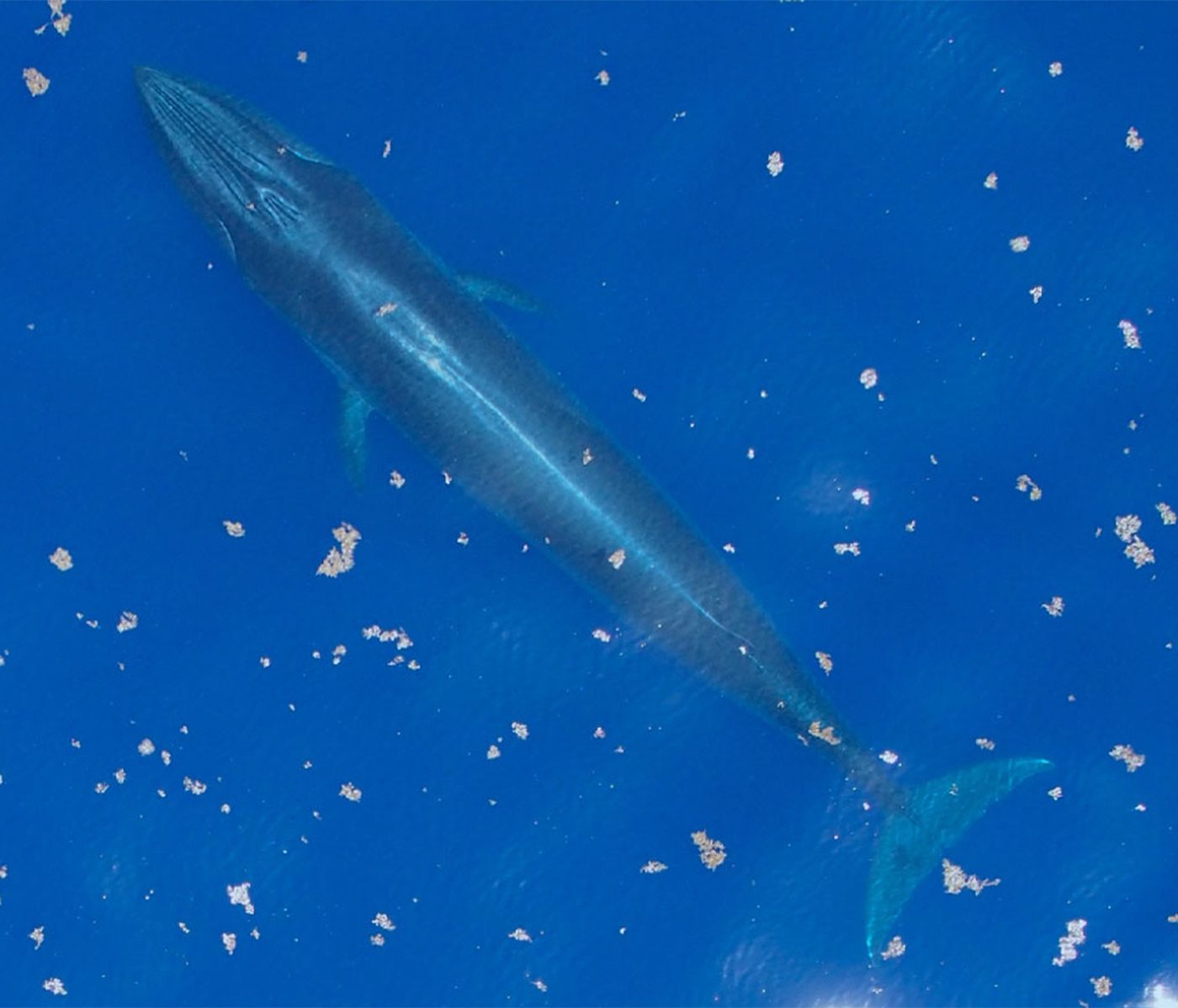
Rice's whale is the only baleen whale resident year-round in US waters, and one of the newest whale species known to science. Their entire world is a strip of water crossed by some of the planet's busiest shipping and drilling activity; slow-speed shipping zones are their conservationists' most urgent demand.
What's killing them
- Vessel strikes
- Oil-spill and drilling impacts
- Ocean noise
- Entanglement
Who's fighting for them
 NOAA FisheriesNOAA Fisheries — Protected Resources Donate
 WWFWorld Wide Fund for Nature Donate
 IUCN Red ListInternational Union for Conservation of Nature — Species Survival Commission Donate
Logos are the property of their respective organisations and link to their official sites.
Quick answers
How many Rice's Whale are left in the world?
Approximately ~50. The Rice's Whale (Balaenoptera ricei) is listed as Critically Endangered on the IUCN Red List, and their population trend is declining. Figures are estimates compiled from the IUCN Red List and conservation organisations.
Where does the Rice's Whale live?
The Rice's Whale is found in United States (North America). Their habitat: A narrow shelf-edge corridor in the northeastern Gulf of Mexico.
Why is the Rice's Whale endangered?
The main threats to the Rice's Whale are: Vessel strikes; Oil-spill and drilling impacts; Ocean noise; Entanglement.
Who is working to save the Rice's Whale?
Organisations working on Rice's Whale conservation include NOAA Fisheries — Protected Resources; World Wide Fund for Nature; International Union for Conservation of Nature — Species Survival Commission.
Where they live
De Soto Canyon, northeastern Gulf of Mexico · United States · North America — Approximate range. Click the map to zoom.