№ 27 of 100
Philippine Crocodile
Crocodylus mindorensis
A small, shy freshwater crocodile found nowhere but the Philippines — and one of the rarest crocodilians alive.
- Range
- Philippines
- Region
- Asia
- Habitat
- Freshwater rivers, creeks and marshes of Luzon and Mindanao
Field notes
- Weight
- up to 90 kg (max ≈210 kg)
- Size
- 2.5–2.7 m, max 3.5 m (length)
- Lifespan
- up to 70–80 years
- Diet
- Carnivore
- Family
- Crocodylidae
- Order
- Crocodilia
The story
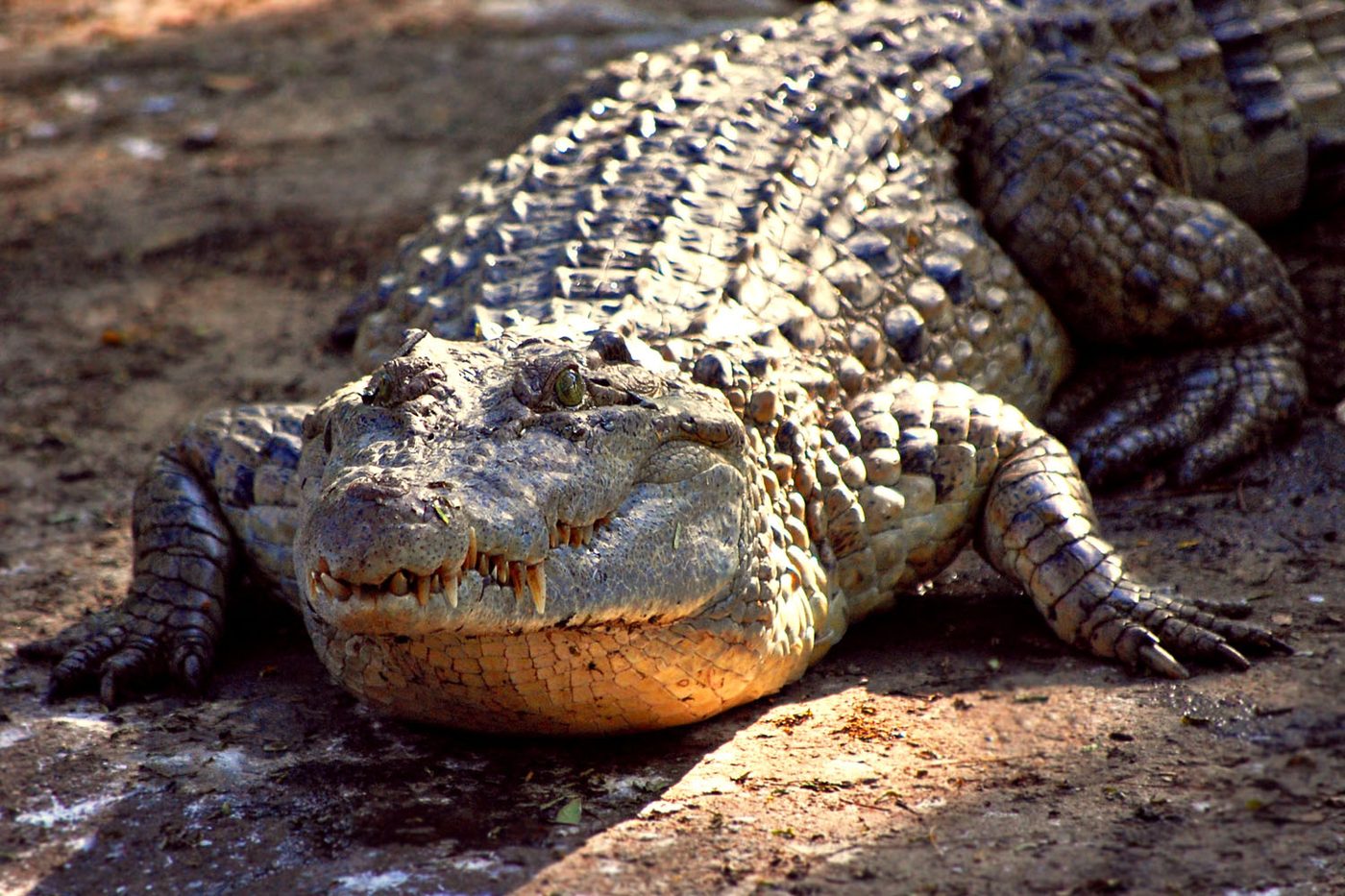
Unlike the dangerous saltwater crocodile, the Philippine crocodile is a modest fish-eater that rarely exceeds three metres. Community sanctuaries in northern Luzon pay rice farmers to share wetlands with crocodiles, and head-started juveniles are released each year into guarded creeks.
What's killing them
- Habitat conversion to rice paddies
- Dynamite fishing
- Persecution and entanglement
- Fragmented populations
Who's fighting for them
 Turtle Survival AllianceTurtle Survival Alliance Donate
 IUCN Red ListInternational Union for Conservation of Nature — Species Survival Commission Donate
 WCSWildlife Conservation Society Donate
Logos are the property of their respective organisations and link to their official sites.
Quick answers
How many Philippine Crocodile are left in the world?
Approximately ~100–150 mature. The Philippine Crocodile (Crocodylus mindorensis) is listed as Critically Endangered on the IUCN Red List, and their population trend is declining. Figures are estimates compiled from the IUCN Red List and conservation organisations.
Where does the Philippine Crocodile live?
The Philippine Crocodile is found in Philippines (Asia). Their habitat: Freshwater rivers, creeks and marshes of Luzon and Mindanao.
Why is the Philippine Crocodile endangered?
The main threats to the Philippine Crocodile are: Habitat conversion to rice paddies; Dynamite fishing; Persecution and entanglement; Fragmented populations.
Who is working to save the Philippine Crocodile?
Organisations working on Philippine Crocodile conservation include Turtle Survival Alliance; International Union for Conservation of Nature — Species Survival Commission; Wildlife Conservation Society.
Where they live
Northern Sierra Madre Natural Park (San Mariano, Isabela), Luzon · Philippines · Asia — Approximate range. Click the map to zoom.