№ 22 of 100
Madagascar Pochard
Aythya innotata
The world's rarest duck was rediscovered on one remote crater lake after going unseen for 15 years.
- Range
- Madagascar
- Region
- Africa
- Habitat
- Volcanic crater lakes and marshes of northern Madagascar
Field notes
- Weight
- ≈570–880 g
- Size
- 42–56 cm (length)
- Diet
- Insectivore
- Family
- Anatidae
- Order
- Anseriformes
The story
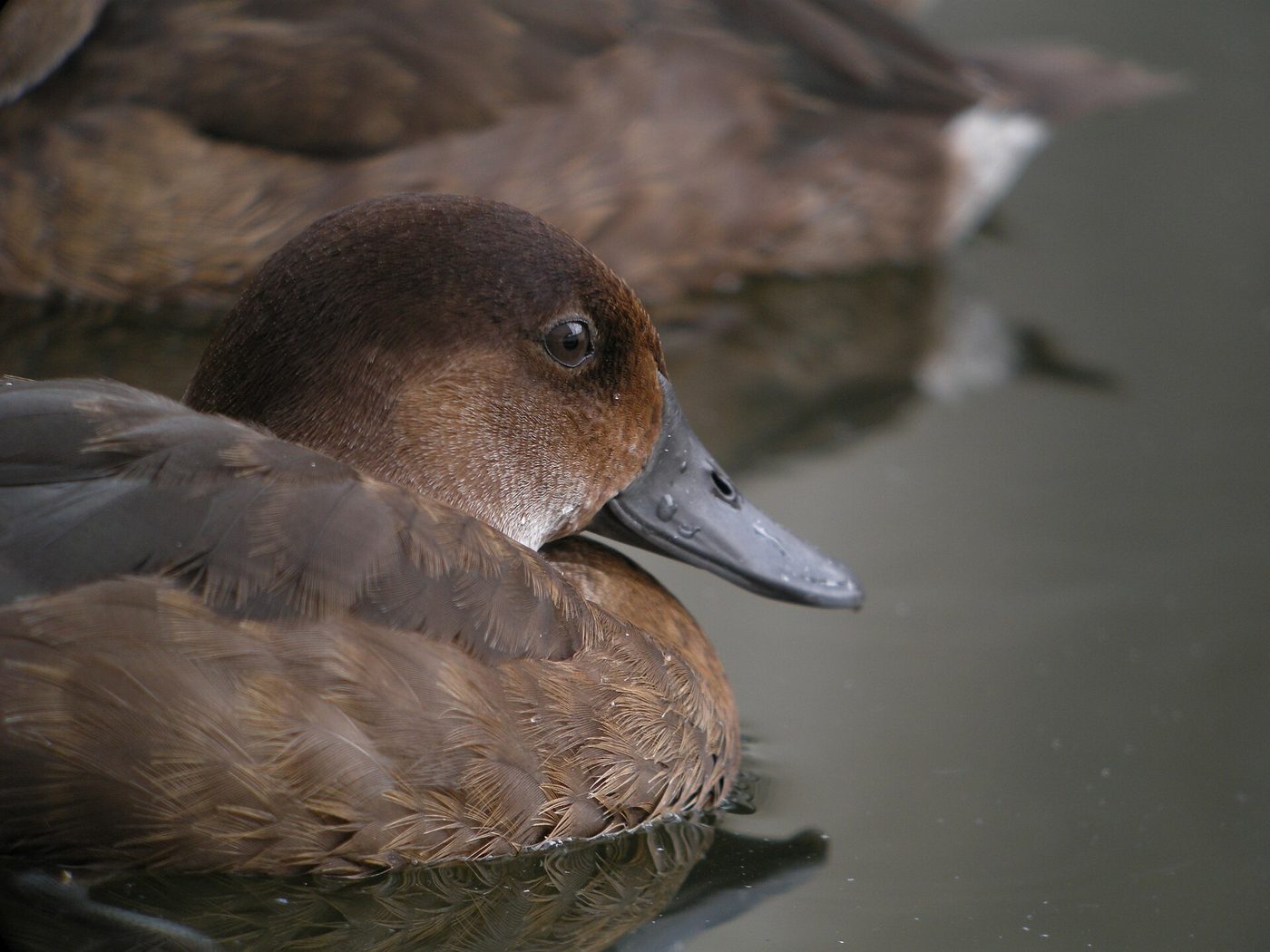
Presumed extinct until 22 birds were found on Lake Matsaborimena in 2006, the pochard has been rescued through captive rearing and reintroduction to Lake Sofia, where floating aviaries help young ducks adapt. Restoring the wetlands they need — shared with thousands of farming families — is the longer battle.
What's killing them
- Wetland conversion to rice farming
- Introduced fish
- Sedimentation
- Very low chick survival
Who's fighting for them
 DurrellDurrell Wildlife Conservation Trust Donate
 BirdLife InternationalBirdLife International Donate
Logos are the property of their respective organisations and link to their official sites.
Quick answers
How many Madagascar Pochard are left in the world?
Approximately ~90–100. The Madagascar Pochard (Aythya innotata) is listed as Critically Endangered on the IUCN Red List, and their population trend is stable. Figures are estimates compiled from the IUCN Red List and conservation organisations.
Where does the Madagascar Pochard live?
The Madagascar Pochard is found in Madagascar (Africa). Their habitat: Volcanic crater lakes and marshes of northern Madagascar.
Why is the Madagascar Pochard endangered?
The main threats to the Madagascar Pochard are: Wetland conversion to rice farming; Introduced fish; Sedimentation; Very low chick survival.
Who is working to save the Madagascar Pochard?
Organisations working on Madagascar Pochard conservation include Durrell Wildlife Conservation Trust; BirdLife International.
Where they live
Lake Matsaborimena, Bemanevika Protected Area, Madagascar · Madagascar · Africa — Approximate range. Click the map to zoom.