№ 07 of 100
Kihansi Spray Toad
Nectophrynoides asperginis
A thumbnail-sized toad that lived in the mist of one waterfall — extinct in the wild within a decade of a dam being built.
- Range
- Tanzania
- Region
- Africa
- Habitat
- Spray zone of a single waterfall in the Kihansi Gorge — a habitat of about two hectares
Field notes
- Size
- 1.9–2.9 cm (body length)
- Diet
- Insectivore
- Family
- Bufonidae
- Order
- Anura
The story
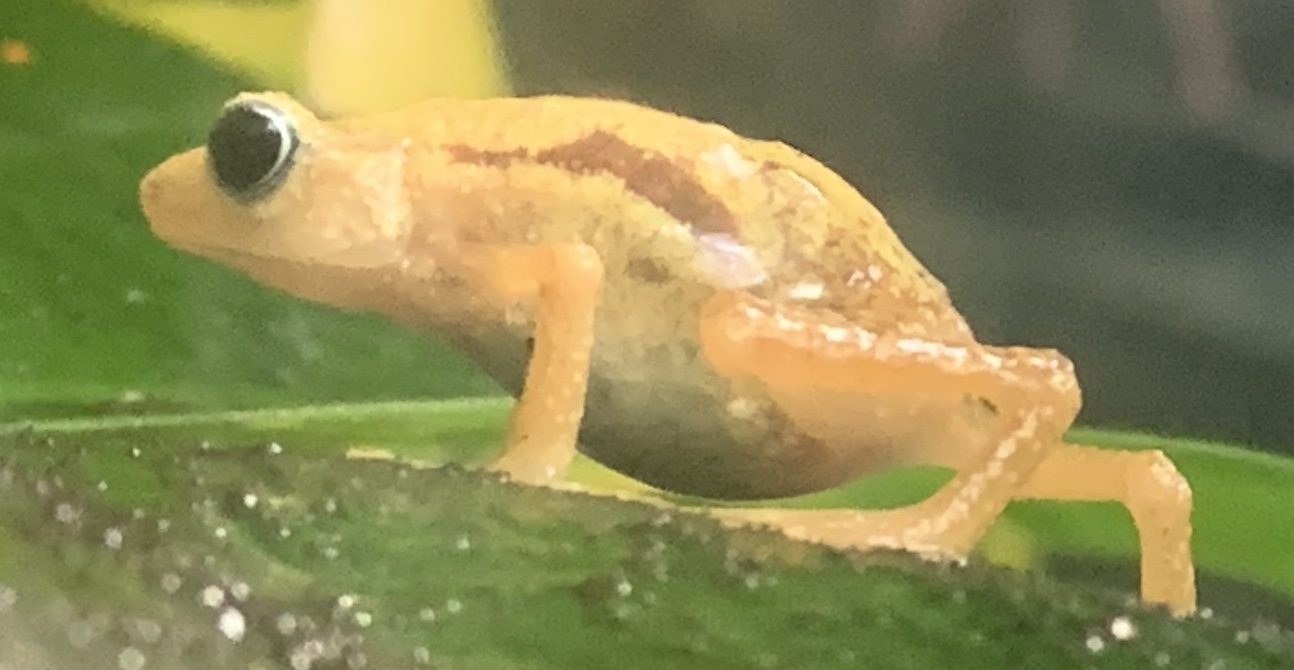
The Kihansi spray toad occupied perhaps the smallest range of any vertebrate: the spray meadows of one Tanzanian waterfall. When a dam cut the river's flow, the mist vanished and chytrid fungus finished the job. Zoo populations in the US and Tanzania now number in the thousands, and experimental reintroductions beneath artificial sprinklers offer a fragile second act.
What's killing them
- Hydroelectric dam removed 90% of waterfall spray
- Chytrid fungus
- Microscopic natural range
Who's fighting for them
 Amphibian ArkAmphibian Ark Donate
 AZA SAFEAssociation of Zoos & Aquariums — SAFE Program Donate
 IUCN Red ListInternational Union for Conservation of Nature — Species Survival Commission Donate
Logos are the property of their respective organisations and link to their official sites.
Quick answers
How many Kihansi Spray Toad are left in the world?
Approximately Extinct in the wild · thousands captive. The Kihansi Spray Toad (Nectophrynoides asperginis) is listed as Extinct in the Wild on the IUCN Red List, and their population trend is recovering. Figures are estimates compiled from the IUCN Red List and conservation organisations.
Where does the Kihansi Spray Toad live?
The Kihansi Spray Toad is found in Tanzania (Africa). Their habitat: Spray zone of a single waterfall in the Kihansi Gorge — a habitat of about two hectares.
Why is the Kihansi Spray Toad endangered?
The main threats to the Kihansi Spray Toad are: Hydroelectric dam removed 90% of waterfall spray; Chytrid fungus; Microscopic natural range.
Who is working to save the Kihansi Spray Toad?
Organisations working on Kihansi Spray Toad conservation include Amphibian Ark; Association of Zoos & Aquariums — SAFE Program; International Union for Conservation of Nature — Species Survival Commission.
Where they live
Kihansi Gorge spray wetlands, Udzungwa Mountains, Tanzania · Tanzania · Africa — Approximate range. Click the map to zoom.