№ 81 of 100
Hawksbill Sea Turtle
Eretmochelys imbricata
The source of all 'tortoiseshell' — millions were killed for jewellery and spectacles; reefs are quieter without them.
- Range
- Global tropics — 70+ countries
- Region
- Global Oceans
- Habitat
- Coral reefs and rocky coasts throughout tropical oceans
Field notes
- Weight
- ≈80 kg (up to 127 kg)
- Size
- up to ≈1 m (carapace length)
- Diet
- Omnivore
- Family
- Cheloniidae
- Order
- Testudines
The story
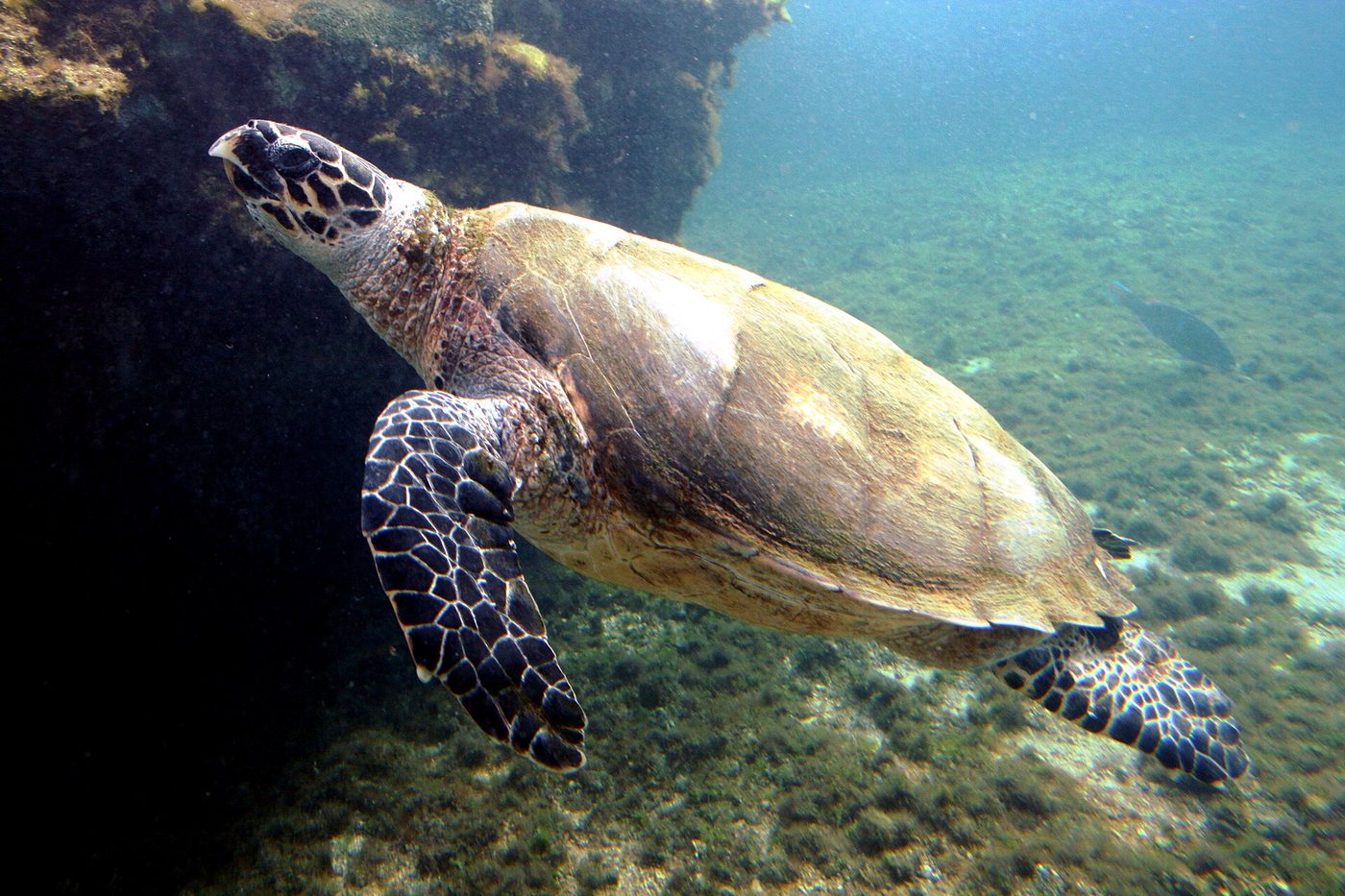
Hawksbills sculpt coral reefs by grazing the sponges that would otherwise smother coral. An estimated nine million were taken for the tortoiseshell trade over 150 years; though the trade is banned, online sales persist while the reefs the species depends on bleach and fade.
What's killing them
- Centuries of tortoiseshell trade
- Coral reef collapse
- Egg collection
- Fishing bycatch and plastic
Who's fighting for them
 WWFWorld Wide Fund for Nature Donate
 Conservation InternationalConservation International Donate
 Sea ShepherdSea Shepherd Global Donate
Logos are the property of their respective organisations and link to their official sites.
Quick answers
How many Hawksbill Sea Turtle are left in the world?
Approximately ~8,000+ nesting females. The Hawksbill Sea Turtle (Eretmochelys imbricata) is listed as Critically Endangered on the IUCN Red List, and their population trend is declining. Figures are estimates compiled from the IUCN Red List and conservation organisations.
Where does the Hawksbill Sea Turtle live?
The Hawksbill Sea Turtle is found in Global tropics — 70+ countries (Global Oceans). Their habitat: Coral reefs and rocky coasts throughout tropical oceans.
Why is the Hawksbill Sea Turtle endangered?
The main threats to the Hawksbill Sea Turtle are: Centuries of tortoiseshell trade; Coral reef collapse; Egg collection; Fishing bycatch and plastic.
Who is working to save the Hawksbill Sea Turtle?
Organisations working on Hawksbill Sea Turtle conservation include World Wide Fund for Nature; Conservation International; Sea Shepherd Global.
Where they live
Great Barrier Reef, Australia · Global tropics — 70+ countries · Global Oceans — Approximate range. Click the map to zoom.