№ 85 of 100
Chinese Sturgeon
Acipenser sinensis
A 140-million-year-old giant that once swam 3,000 km up the Yangtze to spawn — dams cut the journey, and natural spawning has ceased.
- Range
- China
- Region
- Asia
- Habitat
- Yangtze River and adjacent seas; historically migrated 3,000 km upstream to spawn
Field notes
- Weight
- 200–500 kg
- Size
- 2–5 m (length)
- Lifespan
- up to 33 years
- Diet
- Carnivore
- Family
- Acipenseridae
- Order
- Acipenseriformes
The story
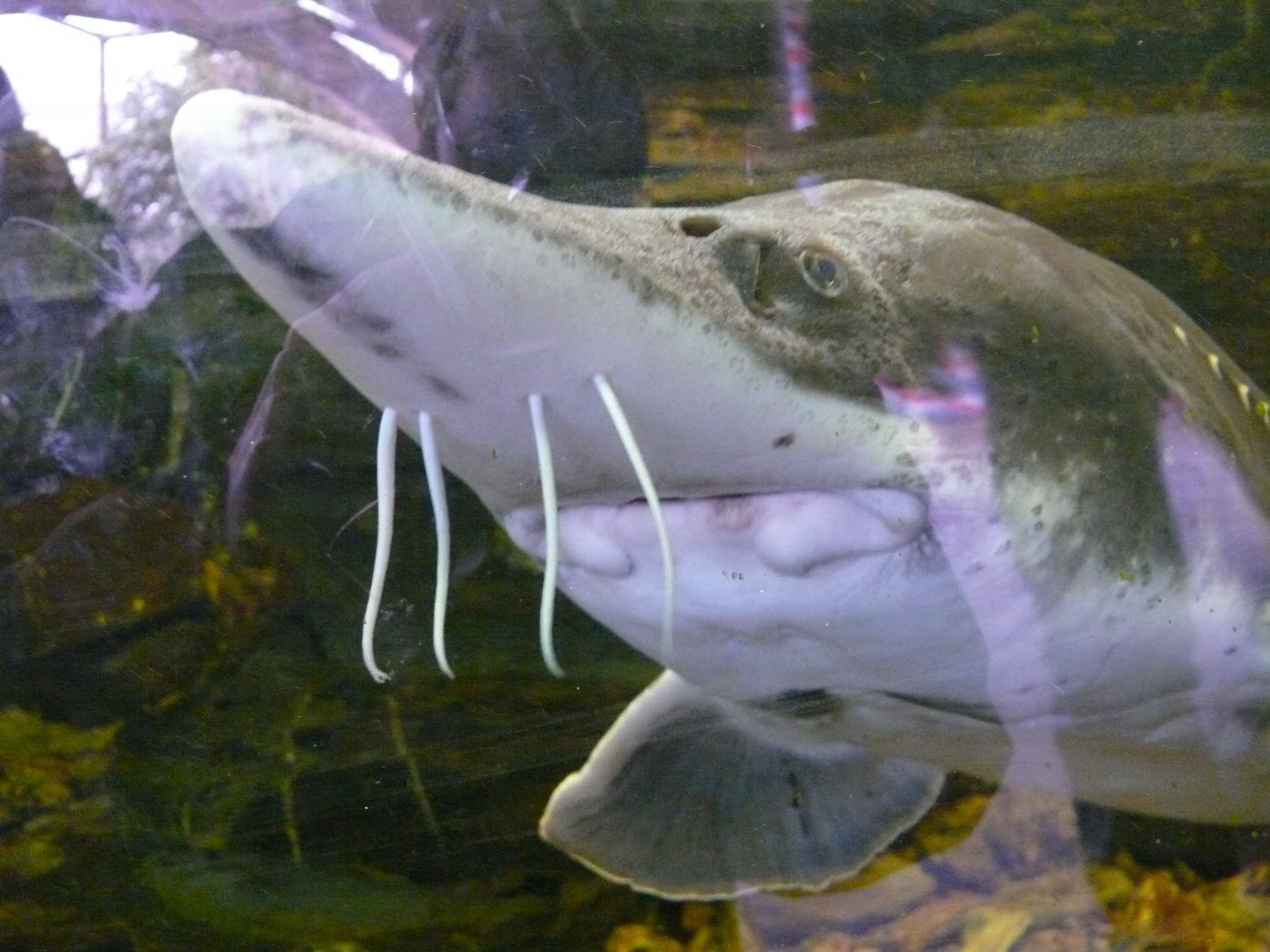
Chinese sturgeon outlived the dinosaurs but not the damming of the Yangtze. With no confirmed natural reproduction since 2017, the species hangs on through massive hatchery releases — over a million fry in some years — and the river-wide fishing ban, while scientists attempt to engineer new spawning grounds.
What's killing them
- Gezhouba and Three Gorges dams blocking spawning runs
- Vessel strikes
- Pollution
- Historic overfishing
Who's fighting for them
 IUCN Red ListInternational Union for Conservation of Nature — Species Survival Commission Donate
 WWFWorld Wide Fund for Nature Donate
Logos are the property of their respective organisations and link to their official sites.
Quick answers
How many Chinese Sturgeon are left in the world?
Approximately Unknown — no natural spawning since 2017. The Chinese Sturgeon (Acipenser sinensis) is listed as Critically Endangered on the IUCN Red List, and their population trend is declining. Figures are estimates compiled from the IUCN Red List and conservation organisations.
Where does the Chinese Sturgeon live?
The Chinese Sturgeon is found in China (Asia). Their habitat: Yangtze River and adjacent seas; historically migrated 3,000 km upstream to spawn.
Why is the Chinese Sturgeon endangered?
The main threats to the Chinese Sturgeon are: Gezhouba and Three Gorges dams blocking spawning runs; Vessel strikes; Pollution; Historic overfishing.
Who is working to save the Chinese Sturgeon?
Organisations working on Chinese Sturgeon conservation include International Union for Conservation of Nature — Species Survival Commission; World Wide Fund for Nature.
Where they live
Yangtze River below Gezhouba Dam, Yichang, China · China · Asia — Approximate range. Click the map to zoom.