№ 86 of 100
Beluga Sturgeon
Huso huso
The source of beluga caviar can live 100 years and weigh more than a horse — their eggs made them the most valuable fish on Earth, and the most plundered.
- Range
- Caspian statesRomaniaBulgariaUkraine
- Region
- Europe
- Habitat
- Caspian and Black Sea basins, spawning up the Volga, Ural and Danube rivers
Field notes
- Weight
- ≈19–264 kg typical (up to ~1,571 kg)
- Size
- 1.4–3.3 m typical (up to 7.2 m) (length)
- Lifespan
- over 100 years (wild)
- Diet
- Piscivore
- Family
- Acipenseridae
- Order
- Acipenseriformes
The story
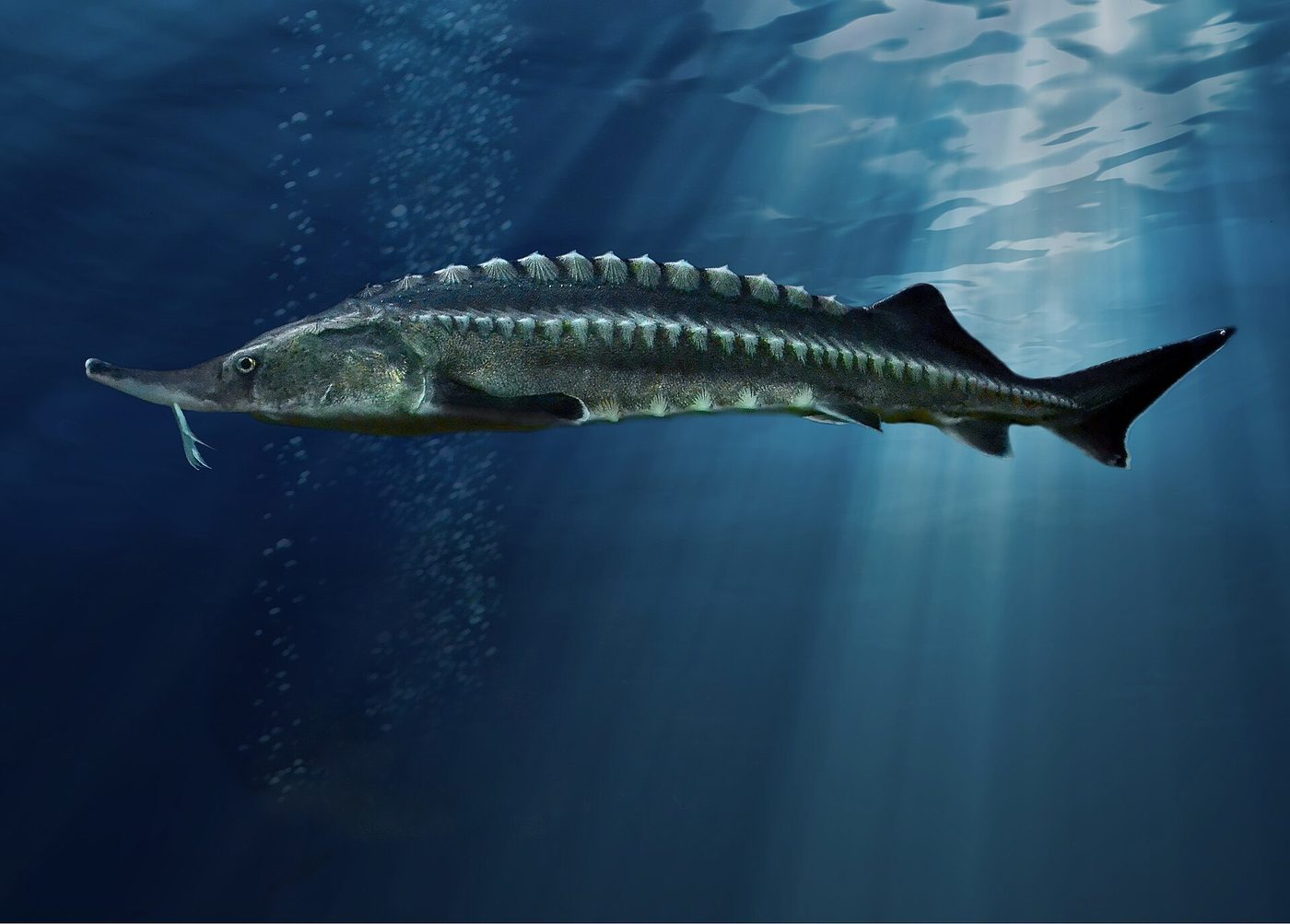
A female beluga may carry caviar worth more than her weight in silver, a price that fuelled rampant poaching after the Soviet collapse. Wild breeding females in the Caspian are now vanishingly rare; Danube protection, caviar trade bans and restocking are the species' remaining lifelines.
What's killing them
- Caviar poaching
- Dams blocking 90% of spawning habitat
- Decades to reach breeding age
- Pollution
Who's fighting for them
 WWFWorld Wide Fund for Nature Donate
 TRAFFICTRAFFIC — Wildlife Trade Monitoring Network Donate
 IUCN Red ListInternational Union for Conservation of Nature — Species Survival Commission Donate
Logos are the property of their respective organisations and link to their official sites.
Quick answers
How many Beluga Sturgeon are left in the world?
Approximately Unknown — wild stocks down >90%. The Beluga Sturgeon (Huso huso) is listed as Critically Endangered on the IUCN Red List, and their population trend is declining. Figures are estimates compiled from the IUCN Red List and conservation organisations.
Where does the Beluga Sturgeon live?
The Beluga Sturgeon is found in Caspian states, Romania, Bulgaria, Ukraine (Europe). Their habitat: Caspian and Black Sea basins, spawning up the Volga, Ural and Danube rivers.
Why is the Beluga Sturgeon endangered?
The main threats to the Beluga Sturgeon are: Caviar poaching; Dams blocking 90% of spawning habitat; Decades to reach breeding age; Pollution.
Who is working to save the Beluga Sturgeon?
Organisations working on Beluga Sturgeon conservation include World Wide Fund for Nature; TRAFFIC — Wildlife Trade Monitoring Network; International Union for Conservation of Nature — Species Survival Commission.
Where they live
Danube Delta Biosphere Reserve, Romania · Caspian states · Romania · Bulgaria · Ukraine · Europe — Approximate range. Click the map to zoom.