№ 87 of 100
Mekong Giant Catfish
Pangasianodon gigas
One of the largest freshwater fish ever recorded — up to 300 kg — now so rare that a single sighting makes national news.
- Range
- ThailandLaosCambodiaVietnam
- Region
- Asia
- Habitat
- Deep pools of the Mekong mainstem; once migrated the river's length to spawn
Field notes
- Weight
- up to 350 kg
- Size
- up to 3 m (body length)
- Diet
- Herbivore
- Family
- Pangasiidae
- Order
- Siluriformes
The story
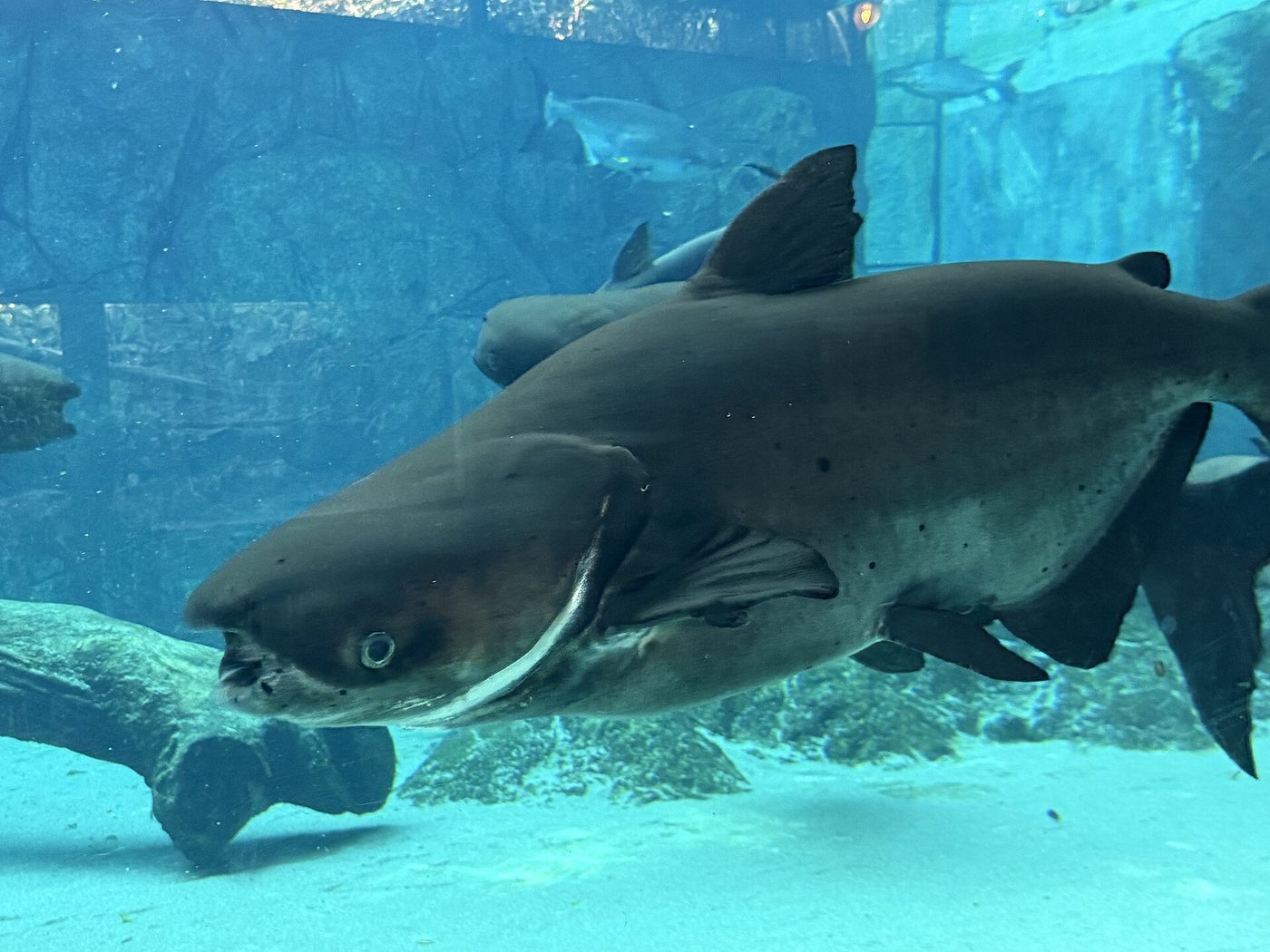
The Mekong giant catfish is a vegetarian leviathan sacred to river communities, who once held ceremonies before daring to catch one. Dams now stand across their migration routes; conservationists track the few adults encountered in fishers' nets, releasing them tagged in hope of finding the last spawning grounds.
What's killing them
- Mainstem dams blocking migration
- Historic overfishing
- Riverbed alteration and sand mining
- Climate-shifted flood cycles
Who's fighting for them
 WWFWorld Wide Fund for Nature Donate
 IUCN Red ListInternational Union for Conservation of Nature — Species Survival Commission Donate
Logos are the property of their respective organisations and link to their official sites.
Quick answers
How many Mekong Giant Catfish are left in the world?
Approximately Unknown — down ~90% since 1990s. The Mekong Giant Catfish (Pangasianodon gigas) is listed as Critically Endangered on the IUCN Red List, and their population trend is declining. Figures are estimates compiled from the IUCN Red List and conservation organisations.
Where does the Mekong Giant Catfish live?
The Mekong Giant Catfish is found in Thailand, Laos, Cambodia, Vietnam (Asia). Their habitat: Deep pools of the Mekong mainstem; once migrated the river's length to spawn.
Why is the Mekong Giant Catfish endangered?
The main threats to the Mekong Giant Catfish are: Mainstem dams blocking migration; Historic overfishing; Riverbed alteration and sand mining; Climate-shifted flood cycles.
Who is working to save the Mekong Giant Catfish?
Organisations working on Mekong Giant Catfish conservation include World Wide Fund for Nature; International Union for Conservation of Nature — Species Survival Commission.
Where they live
Tonlé Sap, Cambodia · Thailand · Laos · Cambodia · Vietnam · Asia — Approximate range. Click the map to zoom.