№ 68 of 100
Greater Bamboo Lemur
Prolemur simus
A lemur that eats giant bamboo laced with cyanide — daily consuming doses that would kill a human.
- Range
- Madagascar
- Region
- Africa
- Habitat
- Bamboo-rich rainforest of eastern Madagascar
Field notes
- Weight
- 2.3–2.8 kg
- Size
- 40–46 cm (head-body)
- Lifespan
- up to 24 years (captivity)
- Diet
- Folivore
- Family
- Lemuridae
- Order
- Primates
The story
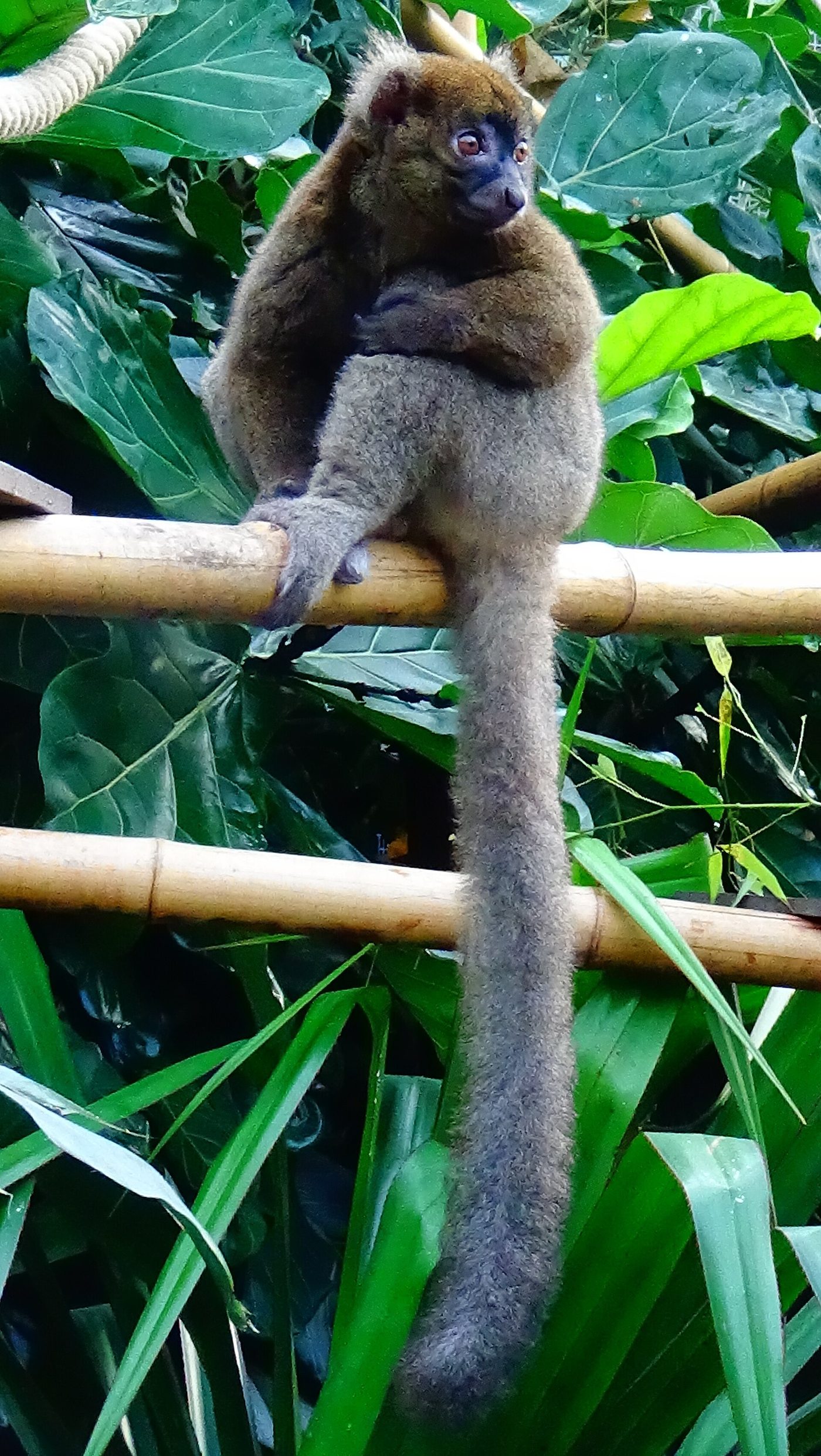
Once thought extinct, the greater bamboo lemur was rediscovered in the 1980s and has slowly recovered from a few hundred known individuals. Their cyanide-rich diet ties them utterly to bamboo corridors, which communities now replant as living bridges between forest fragments.
What's killing them
- Slash-and-burn agriculture
- Bamboo harvesting
- Climate shifts in bamboo growth
- Hunting
Who's fighting for them
 DurrellDurrell Wildlife Conservation Trust Donate
 Conservation InternationalConservation International Donate
 IUCN Red ListInternational Union for Conservation of Nature — Species Survival Commission Donate
Logos are the property of their respective organisations and link to their official sites.
Quick answers
How many Greater Bamboo Lemur are left in the world?
Approximately ~1,000+. The Greater Bamboo Lemur (Prolemur simus) is listed as Critically Endangered on the IUCN Red List, and their population trend is recovering. Figures are estimates compiled from the IUCN Red List and conservation organisations.
Where does the Greater Bamboo Lemur live?
The Greater Bamboo Lemur is found in Madagascar (Africa). Their habitat: Bamboo-rich rainforest of eastern Madagascar.
Why is the Greater Bamboo Lemur endangered?
The main threats to the Greater Bamboo Lemur are: Slash-and-burn agriculture; Bamboo harvesting; Climate shifts in bamboo growth; Hunting.
Who is working to save the Greater Bamboo Lemur?
Organisations working on Greater Bamboo Lemur conservation include Durrell Wildlife Conservation Trust; Conservation International; International Union for Conservation of Nature — Species Survival Commission.
Where they live
Ranomafana National Park, Madagascar · Madagascar · Africa — Approximate range. Click the map to zoom.