№ 77 of 100
White-rumped Vulture
Gyps bengalensis
Once perhaps the most numerous large raptor on Earth — tens of millions — they lost 99.9% of their population in 15 years.
- Range
- IndiaNepalBangladeshPakistanMyanmarCambodia
- Region
- Asia
- Habitat
- Open country, villages and carcass dumps across South Asia
Field notes
- Weight
- 3.5–7.5 kg
- Size
- 75–93 cm (length)
- Lifespan
- at least 12 years (captivity)
- Diet
- Carnivore
- Family
- Accipitridae
- Order
- Accipitriformes
The story
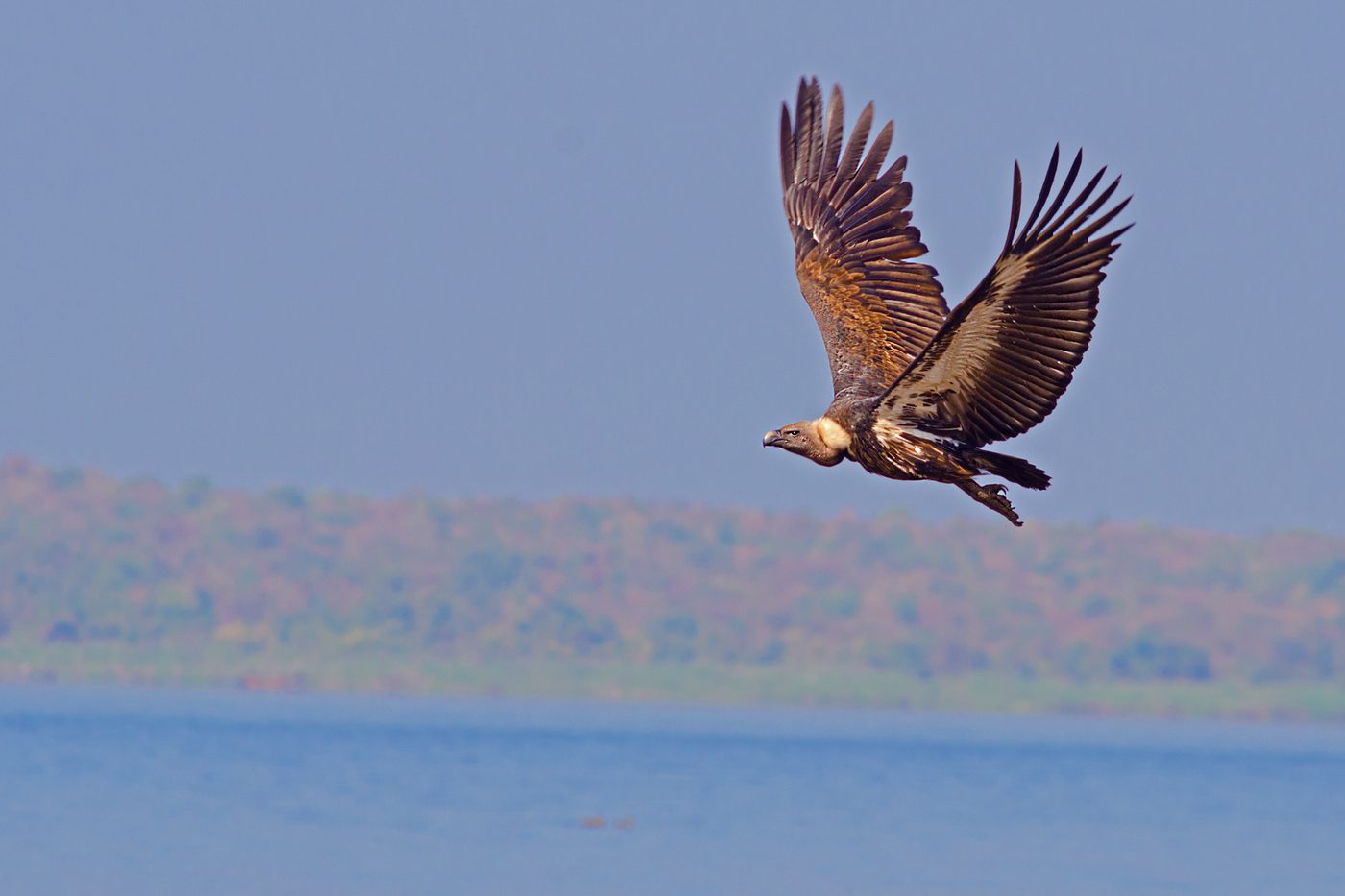
The veterinary painkiller diclofenac, harmless to cattle, destroys vultures' kidneys when they feed on treated carcasses; South Asia's skies emptied in a decade. Drug bans, 'vulture safe zones' and breeding centres have finally slowed the fall — and the first signs of stabilisation are appearing.
What's killing them
- Diclofenac poisoning from cattle carcasses
- Other toxic veterinary drugs
- Food scarcity
- Collisions and electrocution
Who's fighting for them
 BirdLife InternationalBirdLife International Donate
 IUCN Red ListInternational Union for Conservation of Nature — Species Survival Commission Donate
Logos are the property of their respective organisations and link to their official sites.
Quick answers
How many White-rumped Vulture are left in the world?
Approximately ~6,000. The White-rumped Vulture (Gyps bengalensis) is listed as Critically Endangered on the IUCN Red List, and their population trend is declining. Figures are estimates compiled from the IUCN Red List and conservation organisations.
Where does the White-rumped Vulture live?
The White-rumped Vulture is found in India, Nepal, Bangladesh, Pakistan, Myanmar, Cambodia (Asia). Their habitat: Open country, villages and carcass dumps across South Asia.
Why is the White-rumped Vulture endangered?
The main threats to the White-rumped Vulture are: Diclofenac poisoning from cattle carcasses; Other toxic veterinary drugs; Food scarcity; Collisions and electrocution.
Who is working to save the White-rumped Vulture?
Organisations working on White-rumped Vulture conservation include BirdLife International; International Union for Conservation of Nature — Species Survival Commission.
Where they live
Chitwan National Park, Nepal · India · Nepal · Bangladesh · Pakistan · Myanmar · Cambodia · Asia — Approximate range. Click the map to zoom.