№ 06 of 100
Vaquita
Phocoena sinus
The world's rarest marine mammal — roughly ten porpoises survive in a sliver of Mexican sea, dying in nets set for an illegally traded fish.
- Range
- Mexico
- Region
- North America
- Habitat
- Shallow, turbid waters of the upper Gulf of California
Field notes
- Weight
- 27–68 kg
- Size
- 1.4–1.5 m (length)
- Lifespan
- up to 20 years
- Diet
- Piscivore
- Family
- Phocoenidae
- Order
- Artiodactyla
The story
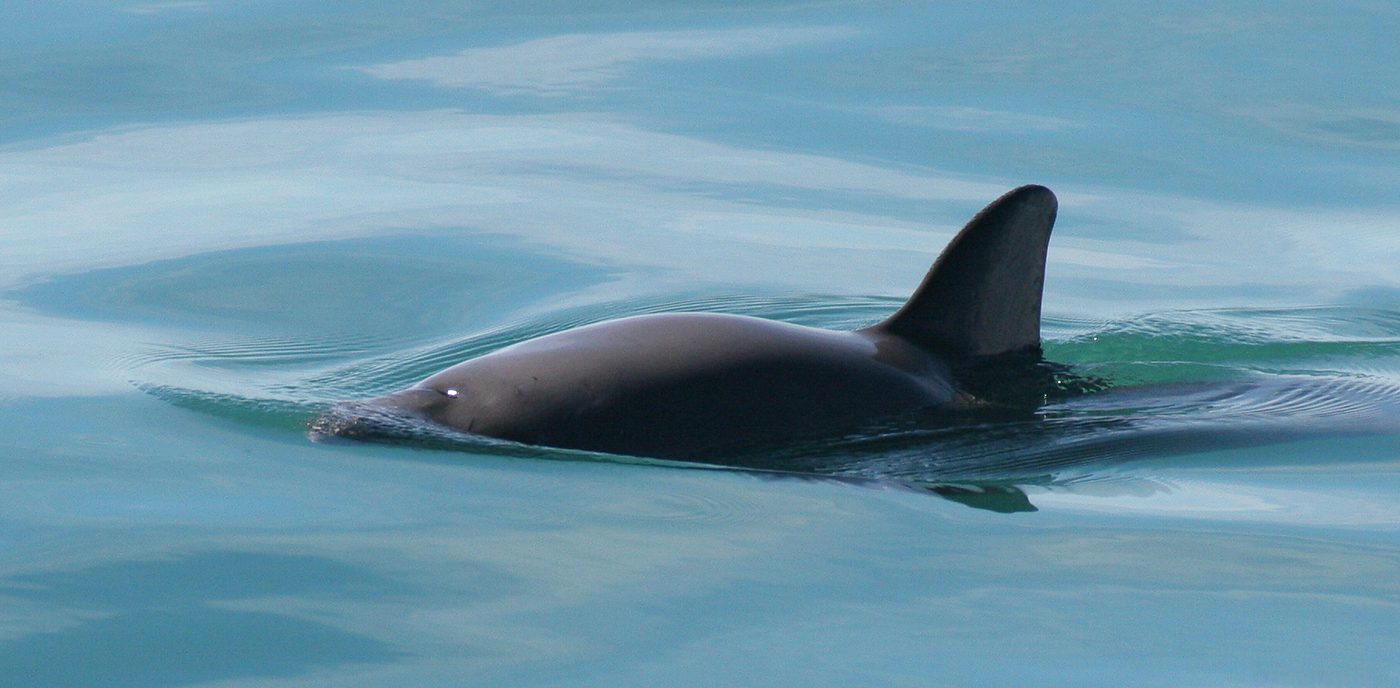
The vaquita, 'little cow' in Spanish, is a shy, dark-eyed porpoise found nowhere but the upper Gulf of California. Gillnets set illegally for totoaba — whose swim bladders sell for thousands of dollars in black markets — drown vaquitas faster than they can breed, though the survivors remain healthy and still calve.
What's killing them
- Drowning in illegal gillnets
- Illegal totoaba swim-bladder trade
- Weak enforcement
Who's fighting for them
 Sea ShepherdSea Shepherd Global Donate
 WWFWorld Wide Fund for Nature Donate
 IUCN Red ListInternational Union for Conservation of Nature — Species Survival Commission Donate
Logos are the property of their respective organisations and link to their official sites.
Quick answers
How many Vaquita are left in the world?
Approximately ~10. The Vaquita (Phocoena sinus) is listed as Critically Endangered on the IUCN Red List, and their population trend is declining. Figures are estimates compiled from the IUCN Red List and conservation organisations.
Where does the Vaquita live?
The Vaquita is found in Mexico (North America). Their habitat: Shallow, turbid waters of the upper Gulf of California.
Why is the Vaquita endangered?
The main threats to the Vaquita are: Drowning in illegal gillnets; Illegal totoaba swim-bladder trade; Weak enforcement.
Who is working to save the Vaquita?
Organisations working on Vaquita conservation include Sea Shepherd Global; World Wide Fund for Nature; International Union for Conservation of Nature — Species Survival Commission.
Where they live
Zero Tolerance Area, Upper Gulf of California (near San Felipe), Mexico · Mexico · North America — Approximate range. Click the map to zoom.