№ 82 of 100
Sumatran Orangutan
Pongo abelii
The red ape of Sumatra survives almost entirely in one ecosystem — Leuser — the last place on Earth where orangutans, tigers, rhinos and elephants share one forest.
- Range
- Indonesia
- Region
- Asia
- Habitat
- Tropical rainforest of the Leuser Ecosystem, northern Sumatra
Field notes
- Weight
- 45–90 kg
- Size
- 0.9–1.7 m (standing height)
- Lifespan
- up to ~58 years (wild)
- Diet
- Frugivore
- Family
- Hominidae
- Order
- Primates
The story
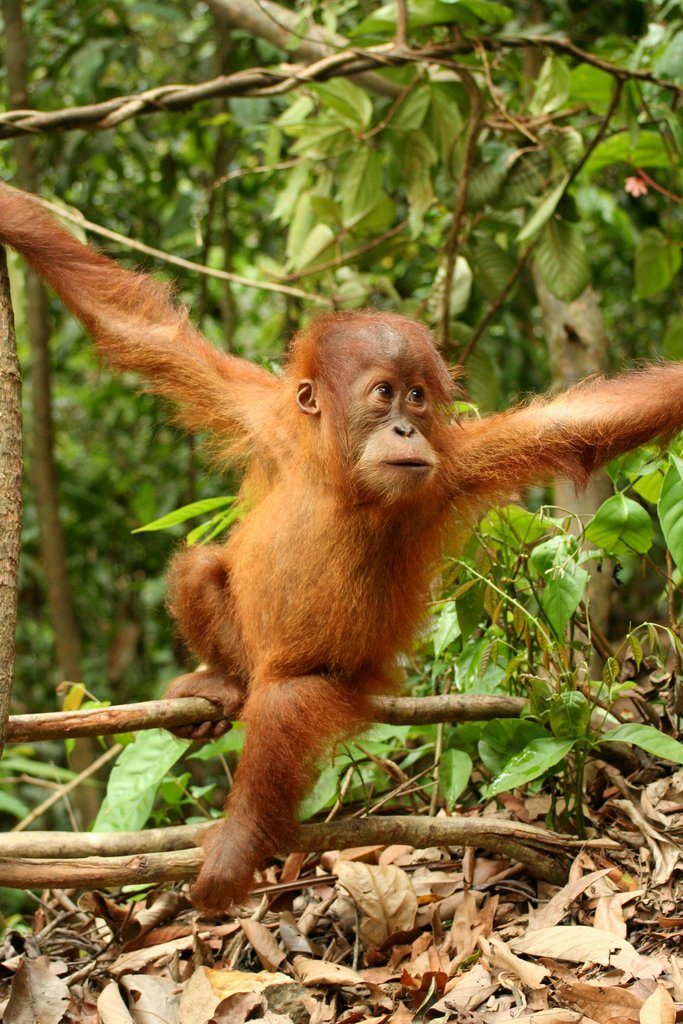
More arboreal and social than their Bornean cousins, Sumatran orangutans rarely descend from the canopy. Their fate is tied to the Leuser Ecosystem, a forest the size of Belgium under relentless pressure from palm oil and road building; rescue centres rehabilitate confiscated pets back to protected forest.
What's killing them
- Forest conversion to palm oil
- Roads splitting the Leuser Ecosystem
- Illegal pet trade
- Fires
Who's fighting for them
 WWFWorld Wide Fund for Nature Donate
 Fauna & FloraFauna & Flora International Donate
 Re:wildRe:wild — Global Wildlife Conservation Donate
Logos are the property of their respective organisations and link to their official sites.
Quick answers
How many Sumatran Orangutan are left in the world?
Approximately ~13,800. The Sumatran Orangutan (Pongo abelii) is listed as Critically Endangered on the IUCN Red List, and their population trend is declining. Figures are estimates compiled from the IUCN Red List and conservation organisations.
Where does the Sumatran Orangutan live?
The Sumatran Orangutan is found in Indonesia (Asia). Their habitat: Tropical rainforest of the Leuser Ecosystem, northern Sumatra.
Why is the Sumatran Orangutan endangered?
The main threats to the Sumatran Orangutan are: Forest conversion to palm oil; Roads splitting the Leuser Ecosystem; Illegal pet trade; Fires.
Who is working to save the Sumatran Orangutan?
Organisations working on Sumatran Orangutan conservation include World Wide Fund for Nature; Fauna & Flora International; Re:wild — Global Wildlife Conservation.
Where they live
Gunung Leuser National Park, Sumatra · Indonesia · Asia — Approximate range. Click the map to zoom.