№ 28 of 100
Amur Leopard
Panthera pardus orientalis
The world's rarest big cat survives winters of minus 30°C in the forests where Russia meets China.
- Range
- RussiaChina
- Region
- Asia
- Habitat
- Temperate broadleaf forest of the Russian Far East and adjacent China
Field notes
- Weight
- 25–48 kg
- Size
- 1.07–1.36 m (body length)
- Lifespan
- up to 21 years (captivity)
- Diet
- Carnivore
- Family
- Felidae
- Order
- Carnivora
The story
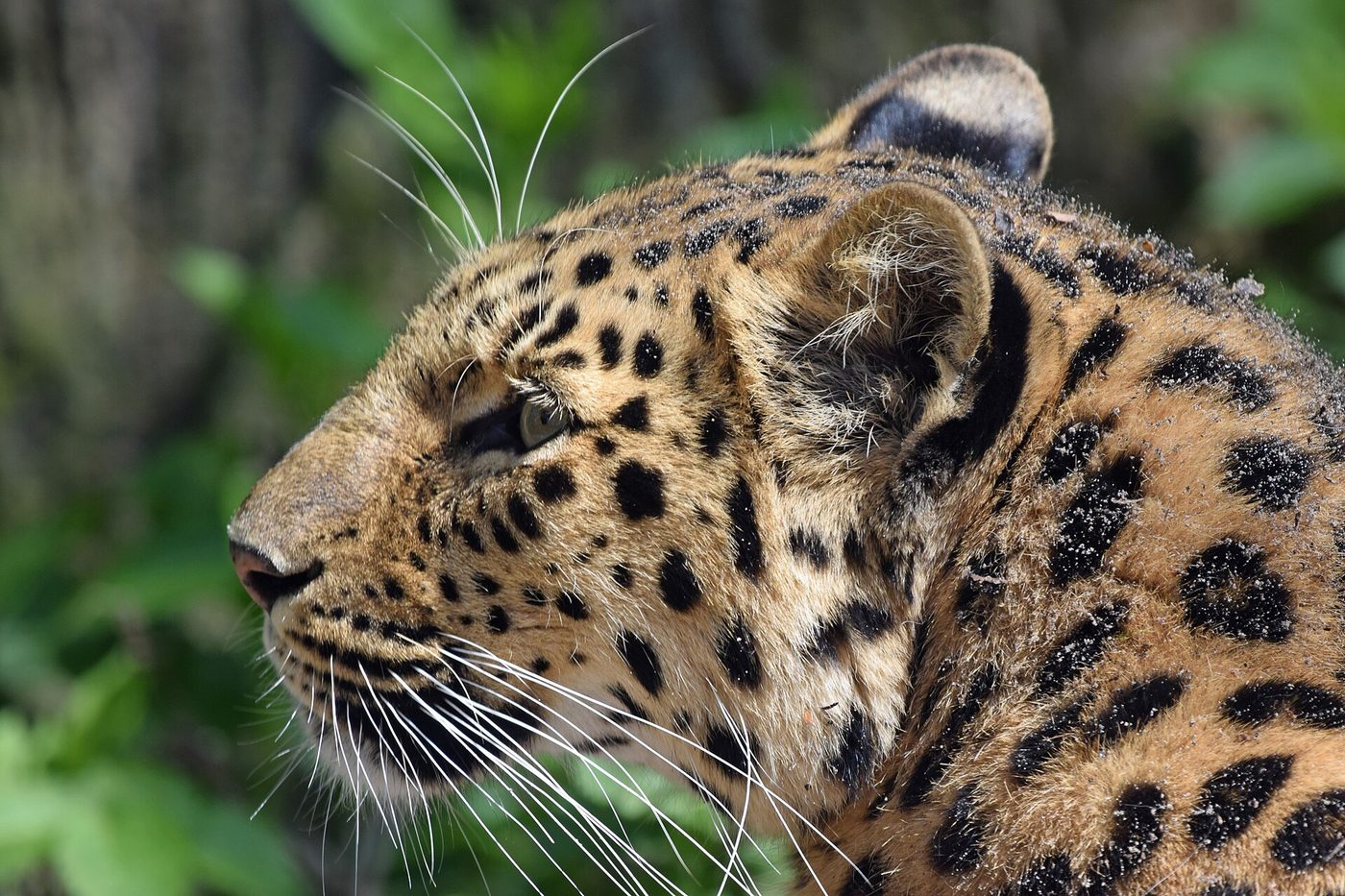
Pale-coated and thick-furred, the Amur leopard fell to around 30 animals in the 2000s. The creation of Russia's Land of the Leopard National Park tripled the population in 15 years — one of conservation's quiet success stories, though every leopard still matters.
What's killing them
- Poaching for pelts
- Prey depletion
- Forest fires and roads
- Inbreeding
Who's fighting for them
 PantheraPanthera — Wild Cat Conservation Donate
 WWFWorld Wide Fund for Nature Donate
 WCSWildlife Conservation Society Donate
Logos are the property of their respective organisations and link to their official sites.
Quick answers
How many Amur Leopard are left in the world?
Approximately ~100–120 wild. The Amur Leopard (Panthera pardus orientalis) is listed as Critically Endangered on the IUCN Red List, and their population trend is recovering. Figures are estimates compiled from the IUCN Red List and conservation organisations.
Where does the Amur Leopard live?
The Amur Leopard is found in Russia, China (Asia). Their habitat: Temperate broadleaf forest of the Russian Far East and adjacent China.
Why is the Amur Leopard endangered?
The main threats to the Amur Leopard are: Poaching for pelts; Prey depletion; Forest fires and roads; Inbreeding.
Who is working to save the Amur Leopard?
Organisations working on Amur Leopard conservation include Panthera — Wild Cat Conservation; World Wide Fund for Nature; Wildlife Conservation Society.
Where they live
Land of the Leopard National Park, Primorsky Krai, Russia · Russia · China · Asia — Approximate range. Click the map to zoom.